Physical Address
304 North Cardinal St.
Dorchester Center, MA 02124
Physical Address
304 North Cardinal St.
Dorchester Center, MA 02124
Steven Soderbergh says around 10 percent of his new John Lennon documentary uses Meta’s generative AI to visualize abstract parts of Lennon and Yoko Ono’s final interview. The film premieres at Cannes this month.
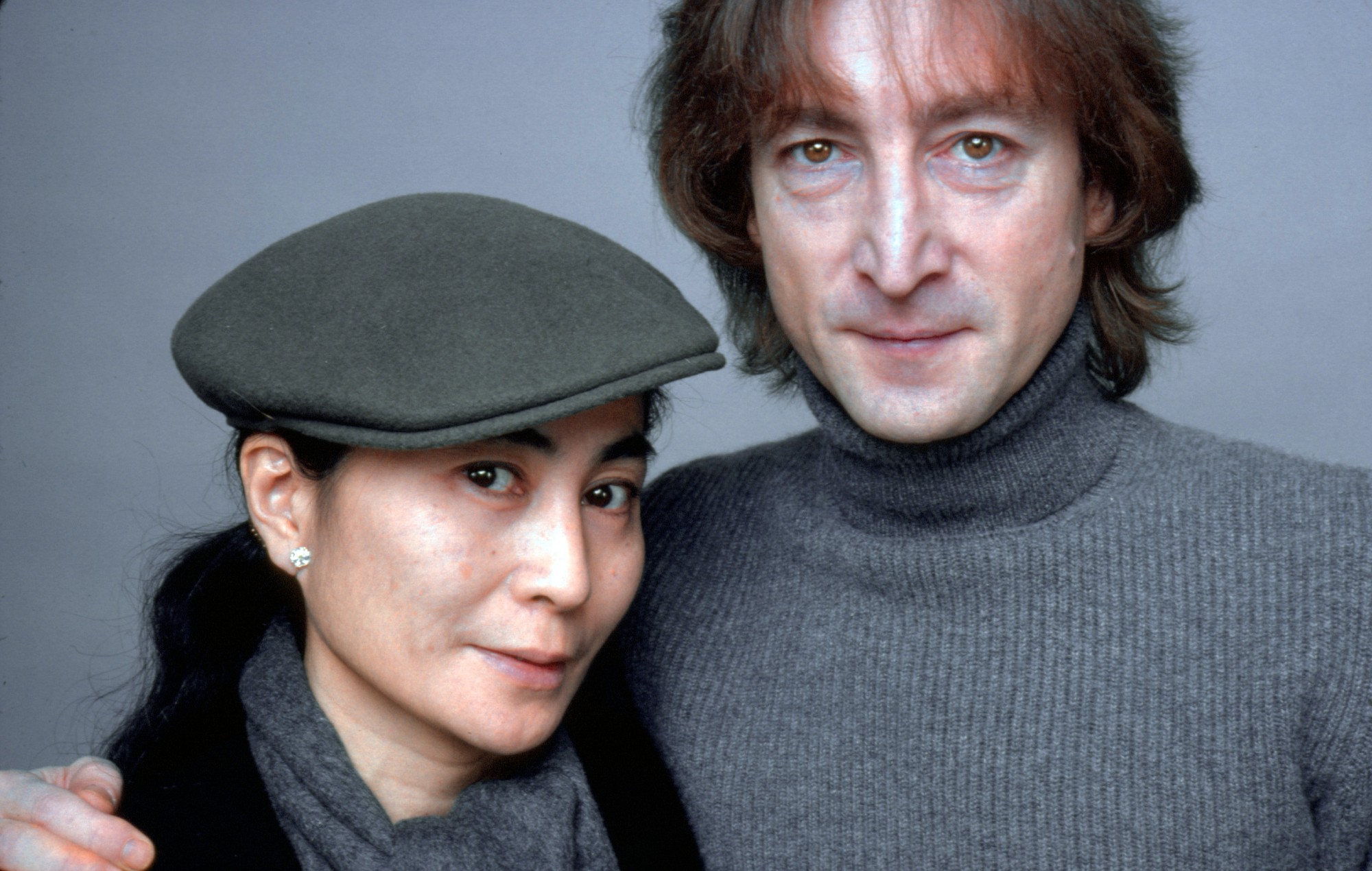
Steven Soderbergh has confirmed he used generative AI while finishing his new documentary, John Lennon: The Last Interview, a project made with the cooperation of Lennon’s estate and support from Meta.
The film is built around Lennon’s final interview, recorded while he and Yoko Ono were promoting Double Fantasy. Because the source material is audio-only, Soderbergh said the team had to construct a visual language around the conversation using archival photos and footage, with AI filling a limited but difficult gap.
According to the director, roughly 10 percent of the film includes AI-generated video, mostly in passages where Lennon and Ono speak in abstract or philosophical terms that are harder to illustrate through traditional archive. “This comprises about 10 per cent of the entire film,” he told Deadline, describing those sections as metaphorical sequences rather than realistic reconstructions.
Soderbergh said the documentary was organized into chapters, with specific memories, songs, and people matched to stills and moving image material. The remaining visual “holes,” he explained, were the less literal stretches of dialogue, where the filmmakers began testing generative tools to create imagery that could sit beside the interview audio without pretending to be documentary fact.
He also described how producer Michael Sugar introduced the possibility of working with Meta while the production was facing budget pressure. Soderbergh said Meta viewed the project as a chance to stress-test its video generation tools and offered technology support to help complete the film.
“AI is a very emotional subject lately. Understandably so,” Soderbergh said, while arguing that intent matters. He framed this use as comparable to VFX or CGI, saying the goal was not to deceive viewers with photorealistic fabrications but to create clearly non-literal visual interpretation.
The director added that Sean Ono Lennon supported the experimentation and suggested John Lennon would likely have been curious about new creative technology. Soderbergh recalled Sean saying his father would have wanted to try it and see what it could do, even if no one can know his ultimate view.
John Lennon: The Last Interview is set to premiere at Cannes this month. The disclosure lands amid continued debate over AI in film and music, as more high-profile productions move forward with generative tools despite strong labor and creative concerns across the industry.
Recent examples include the upcoming drama As Deep As The Grave, which will use AI to portray Val Kilmer with his family’s approval, and criticism directed at Darren Aronofsky’s AI-assisted history series On This Day… 1776.