Physical Address
304 North Cardinal St.
Dorchester Center, MA 02124
Paul McCartney explains why he plays the hits, and recalls seeing Bob Dylan live: “Honestly, I couldn’t tell what song he was doing”
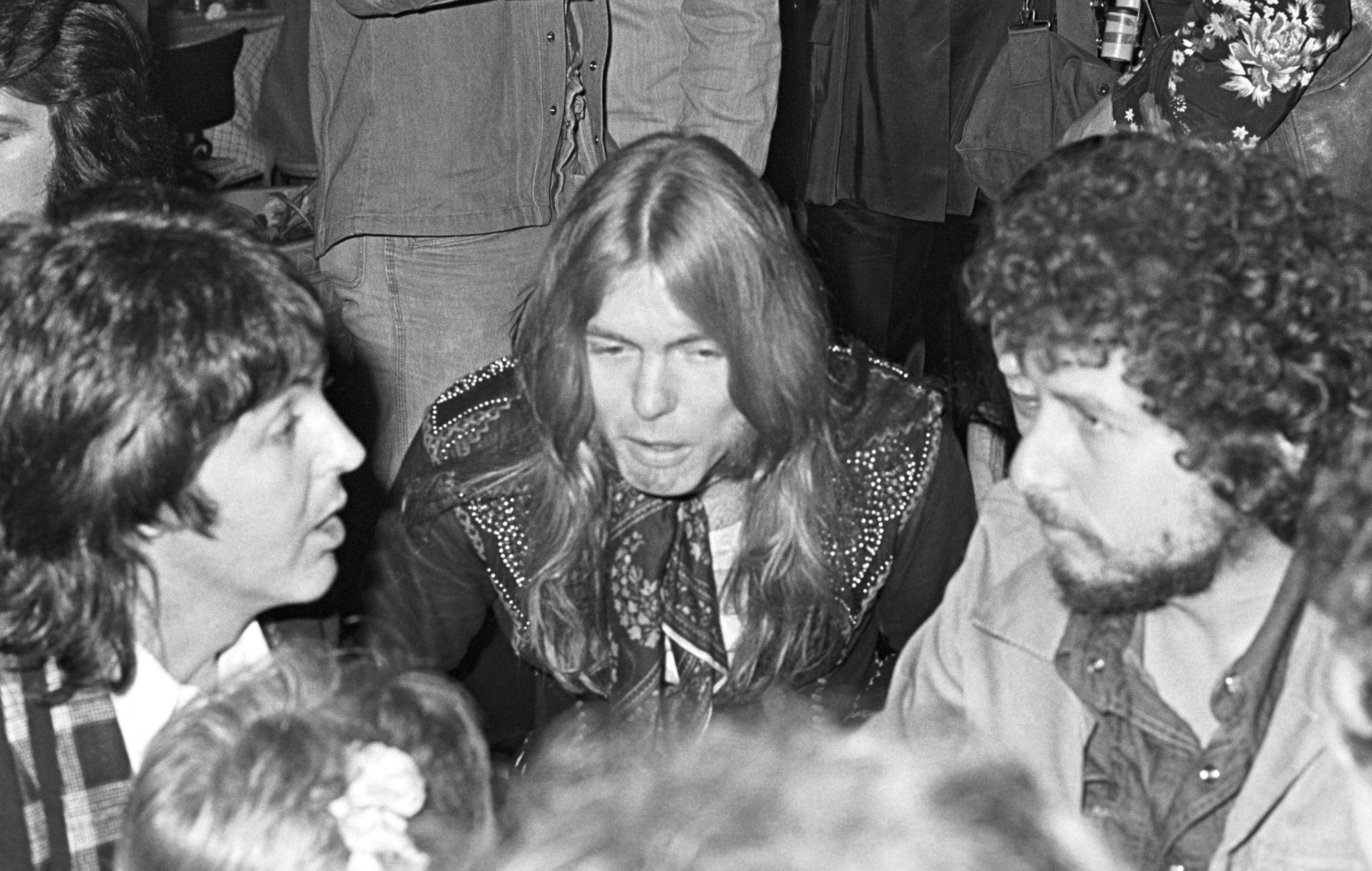
Paul McCartney has never been shy about loving Bob Dylan, but even he admits there’s a limit to the mystery. In a new interview on The Rest Is Entertainment, while promoting his solo album The Boys Of Dungeon Lane, McCartney said that after seeing Dylan live, he “couldn’t tell what song he was doing.”
That’s not said with any real sting. If anything, McCartney framed it as part of Dylan’s appeal: the freedom to do what he wants, regardless of expectation. The thing he seems to admire most is that Dylan doesn’t appear to care whether the audience is waiting for the obvious choices, the familiar singalongs, the big legacy numbers everyone came to hear.
McCartney, by contrast, knows exactly why he keeps returning to his own biggest songs every night. Asked why he feels compelled to play the hits at every show, he pointed to the basic pact between performer and audience. “I think we could do songs [most people] don’t know and have a lot of ‘black holes’… But they’ve paid a lot of money,” he said.
He went back to his own childhood concertgoing for context. “I remember as a kid, I used to go to shows and save up. I went to a Bill Haley concert […] I’d saved for months and done a paper round and done everything. And I knew what I wanted: I wanted him to do his hits. And if he got all clever on me, I would be like, ‘oh, OK.’ I’d let him indulge himself.”
When Dylan came up, McCartney was candid about the gap between his own instincts and Dylan’s. “In fact, talking about Mr Dylan, I’ve been to see a couple of Bob’s shows, and honestly, I couldn’t tell what song he was doing. Now, that’s a bit much, because I know his stuff!”
He added that he understands if Dylan is tired of certain songs, even something as iconic as “Mr Tambourine Man.” Still, from the fan side, the logic is simpler. “I would like to hear it. And I paid!”
That tension between artist freedom and audience expectation is something McCartney clearly thinks about a lot. He also argued that the big songs do something more than just satisfy nostalgia. They can pull a room into the same emotional place, even when the outside world feels fractured.
“Particularly these days – you do something like ‘Hey Jude’ and you see the whole audience singing together,” he said. “In Trump’s America, where Republicans and Democrats are at each other’s throats – when we do that song, they’re not. They’re all loving it.
“It’s like, wow. Suddenly, this room has forgotten all of that. We’re not going to argue; we’re just going to sing together. Those kinds of things, I think, are valuable.”
The Dylan-McCartney connection goes back to the mid-’60s, and the mutual respect has kept resurfacing ever since. In 2007, Dylan praised McCartney and John Lennon, brushing aside any idea of rivalry. “They were fantastic singers. Lennon, to this day, it’s hard to find a better singer than Lennon was, or than McCartney was and still is,” he said. “I’m in awe of McCartney. He’s about the only one that I am in awe of. He can do it all. And he’s never let up… He’s just so damn effortless.”
McCartney returned the compliment in 2020 while speaking to BBC Radio 2, telling Sean Ono Lennon that Dylan had shaped the Beatles’ more “interpersonal, reflective” writing. “We certainly got a lot from Dylan and I know I had one of his first LPs at home before The Beatles,” he said. “I used to play that quite a lot so I was steeped in him and I think your dad was too, but that was just one of the influences.”
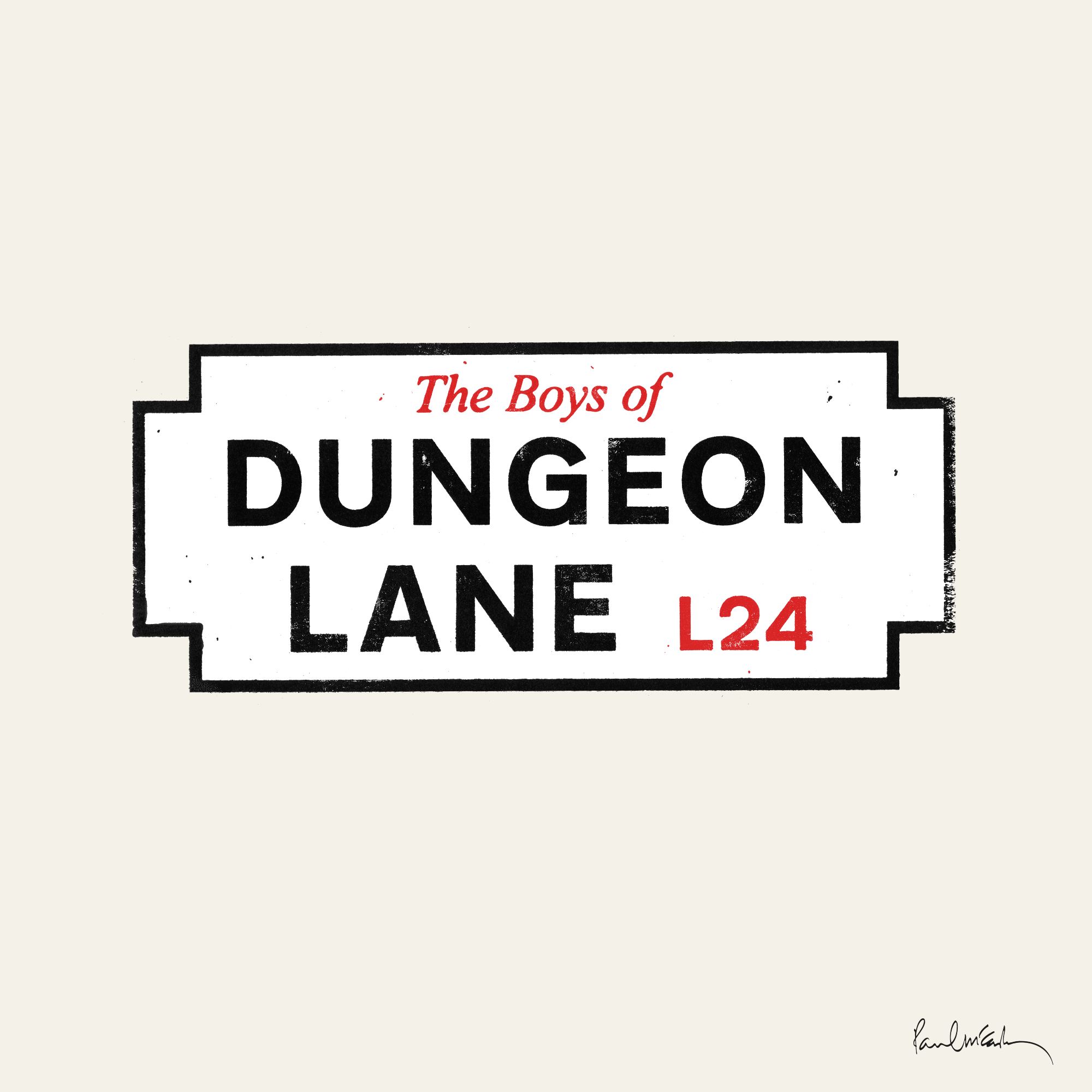
Paul McCartney new album cover, ‘The Boys Of Dungeon Lane’. Credit: Press
That same year, he said he sometimes wished he could be “a bit more like” Dylan, especially in the way he seemed untouched by outside opinion. “I always like what he does. Sometimes I wish I was a bit more like Bob. He’s legendary… and doesn’t give a shit! But I’m not like that,” he said.
McCartney has also revisited some of the more mythologized Dylan moments in Beatles lore. In 2021, he recalled the night Dylan introduced The Beatles to weed at his hotel room in 1964, and separately described a conversation with Dylan that left him briefly convinced he had cracked the meaning of life. “I could feel myself climbing a spiral walkway as I was talking to Dylan. I felt like I was figuring it all out, the meaning of life,” he said. He asked Beatles roadie Mal Evans to fetch paper so he could write it down.
“I was going ‘I’ve got it!’ and wrote down the key to it all on this piece of paper. I told Mal ‘You keep this piece of paper, make sure you don’t lose it, because the meaning of life is on there,” he continued. “Mal gave me the piece of paper the next day, and on it was written ‘There are seven levels.’ Well, there you go, the meaning of life…”
The Boys Of Dungeon Lane is due out on May 29 and includes a duet with former Beatles bandmate Ringo Starr on “Home To Us,” a song about their Liverpool roots and their first ever vocal collaboration together. The record also features Texas singer Sharleen Spiteri and The Pretenders’ Chrissie Hynde.
McCartney had been reflecting on The Beatles and the long echo of that era long before this latest interview. Speaking to NME in 2021, he looked back on his bond with Lennon and the friction that came with it, stressing that the sparring didn’t define the whole relationship.
“Working with John was great. Those are the kinds of things you remember,” he said. “In a film, you remember that bit where the guy says ‘Hasta la vista, baby’ or whatever, and John definitely did have those withering putdowns, you know, but it was two per cent of who he was and it’s the two per cent people remember. Most of the time he was very generous, very loving, very easy to work with.”
He also spoke about returning to Liverpool after becoming globally famous, saying it still triggers old memories, especially when he sees the Cavern. “It makes you play better, I think, being back in a little club like that, inches from your audience,” he said. “It reminds you of how it was.”