Physical Address
304 North Cardinal St.
Dorchester Center, MA 02124
Physical Address
304 North Cardinal St.
Dorchester Center, MA 02124
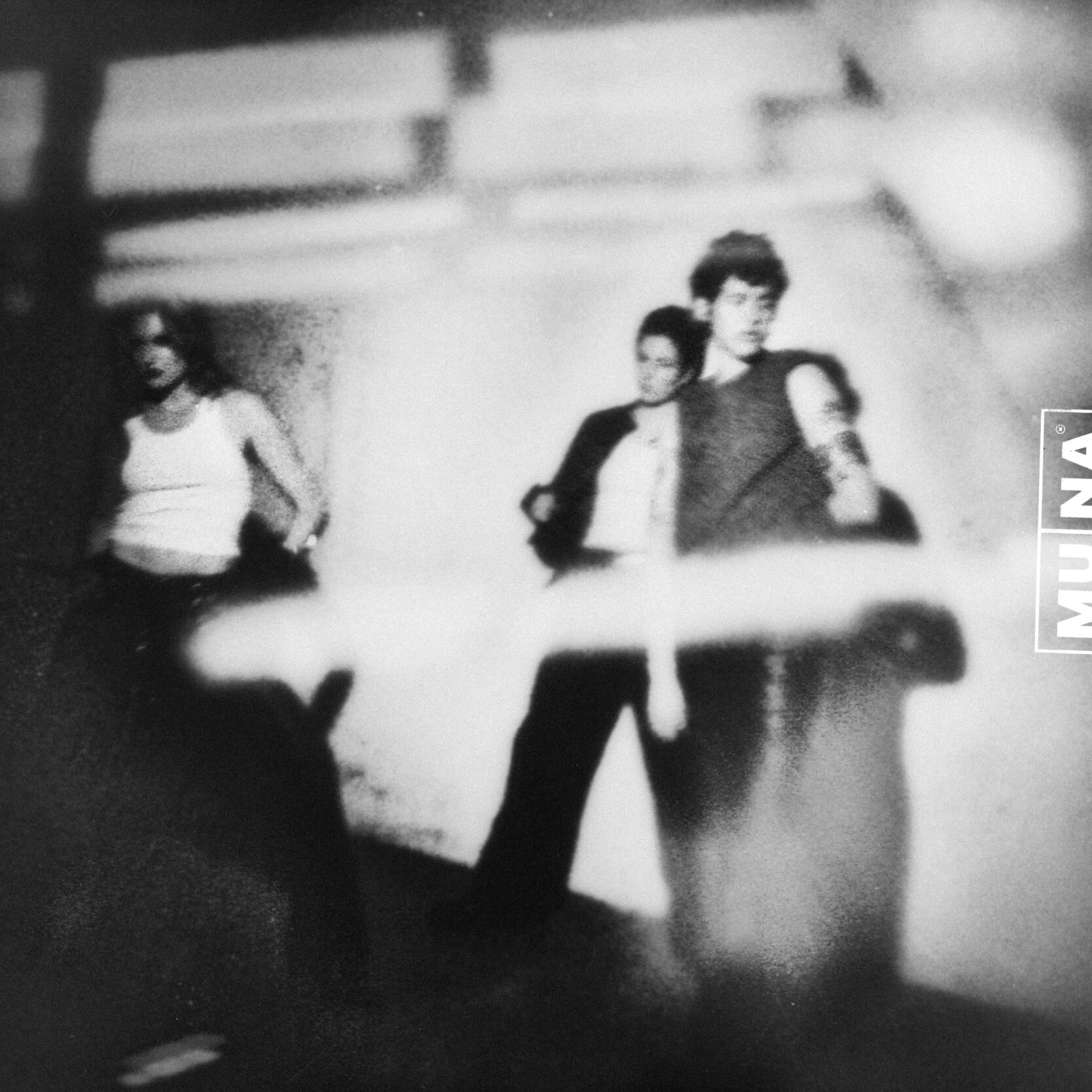
MUNA’s Dancing on the Wall turns anxiety into euphoria: sleek synth-pop, sharp politics and party-ready hooks that insist joy and grief can coexist.
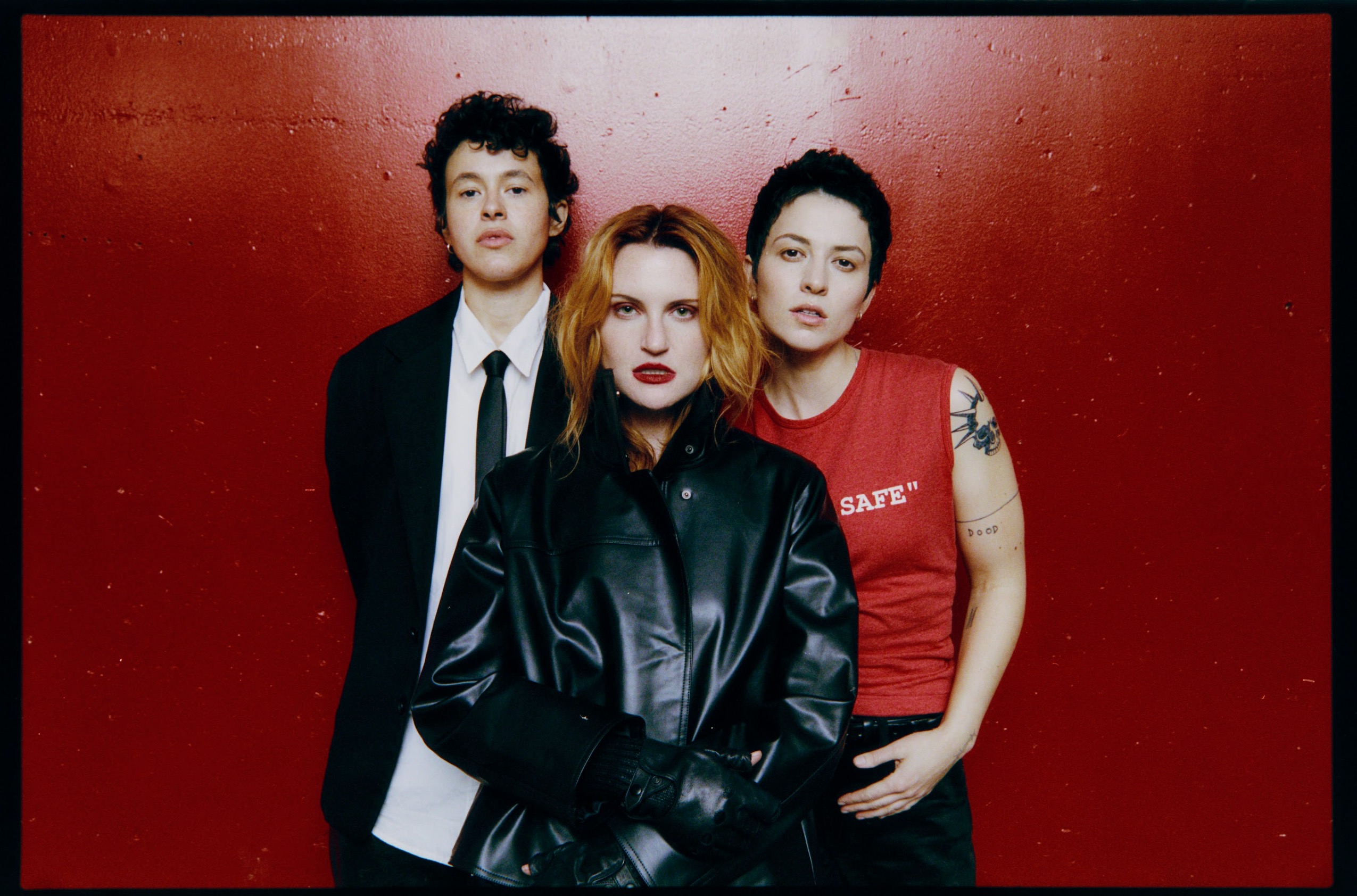
There is a stubborn joy threaded through MUNA’s new record that refuses to be polite about why it exists. Dancing on the Wall is, in plain terms, a party record full of sugar and bite: ecstatic synth hooks, percussion that keeps your chest buzzed, and lyrics that drag personal and political grief onto the dance floor so you can’t pretend they aren’t there.
That insistence matters because MUNA are working against a current. The reactionary forces in America that keep trying to erase queer people from public life are part of the backdrop here, and the band make it clear they will not let those forces define the mood. This trio of proud Angelenos still want to have a great time — but they bring their anxieties with them. Dancing on the Wall is pleasure-seeking and frayed in the same breath, like the best kind of late-night scene where people laugh hard enough to forget, and then check their phones and remember everything at once.
There’s a small but telling industry arc that gives this record extra heft. After two major-label albums, MUNA were dropped by RCA for, in the band’s words, “not making enough money.” The group rebounded, and their 2022 self-titled LP on Phoebe Bridgers’ Saddest Factory imprint yielded a mainstream breakthrough, propelled by the hit “Silk Chiffon” and its unabashed sapphic-daydream energy. Dancing on the Wall doesn’t back away from that pop footing; if anything, it doubles down.
Produced by Naomi McPherson, who’s the band’s multi-instrumentalist and a clear sonic steward here, the record is their most focused and streamlined set to date. Hard-charging keyboard stabs and percolating beats give the songs a charged, night-til-dawn momentum. It reads like a playlist of peaks: the post-punk sneer of “Wannabeher,” the near-Prince effervescence of “Girl’s Girl,” and title-track moments that feel built to fill a club room with breathy belief.
There’s a long tradition in synth-pop of slipping politics into sugar — from Scritti Politti’s cleverness to the Pet Shop Boys’ sleek commentary — and MUNA are carrying that baton. Katie Gavin’s vocals can be tender and cutting within the span of a line: on the title track she hopes a flaky partner will finally reciprocate, while “So What” revels in dancing until heartbreak blurs into motion. Then there are moments that refuse to be coy. The unrelenting “Big Stick” shifts from scorn to indictment, foregrounding an anger that reads almost like a pulse in the mix: “We give kids in Palestine PTSD / But we’ll never fuckin’ ever give ’em something to eat.” It’s ferocious and unflinching, a reminder that a hook can carry a message and the message can still sting.
That blend of catharsis and critique is the album’s chief appeal. You could put this record on at a party and not ruin the vibe, but you’d also catch people craning their necks when they pay attention to the words. MUNA have built something that’s both escapist and clear-eyed: a record that says dancing is not an abdication but a form of endurance. If you can dance another day, you can fight another day too — and these songs make both feel possible.