Physical Address
304 North Cardinal St.
Dorchester Center, MA 02124
Physical Address
304 North Cardinal St.
Dorchester Center, MA 02124
Kanye West told jurors he was targeted in a DONDA sample suit, insisting he cleared samples and that fans bought tickets and merch regardless.
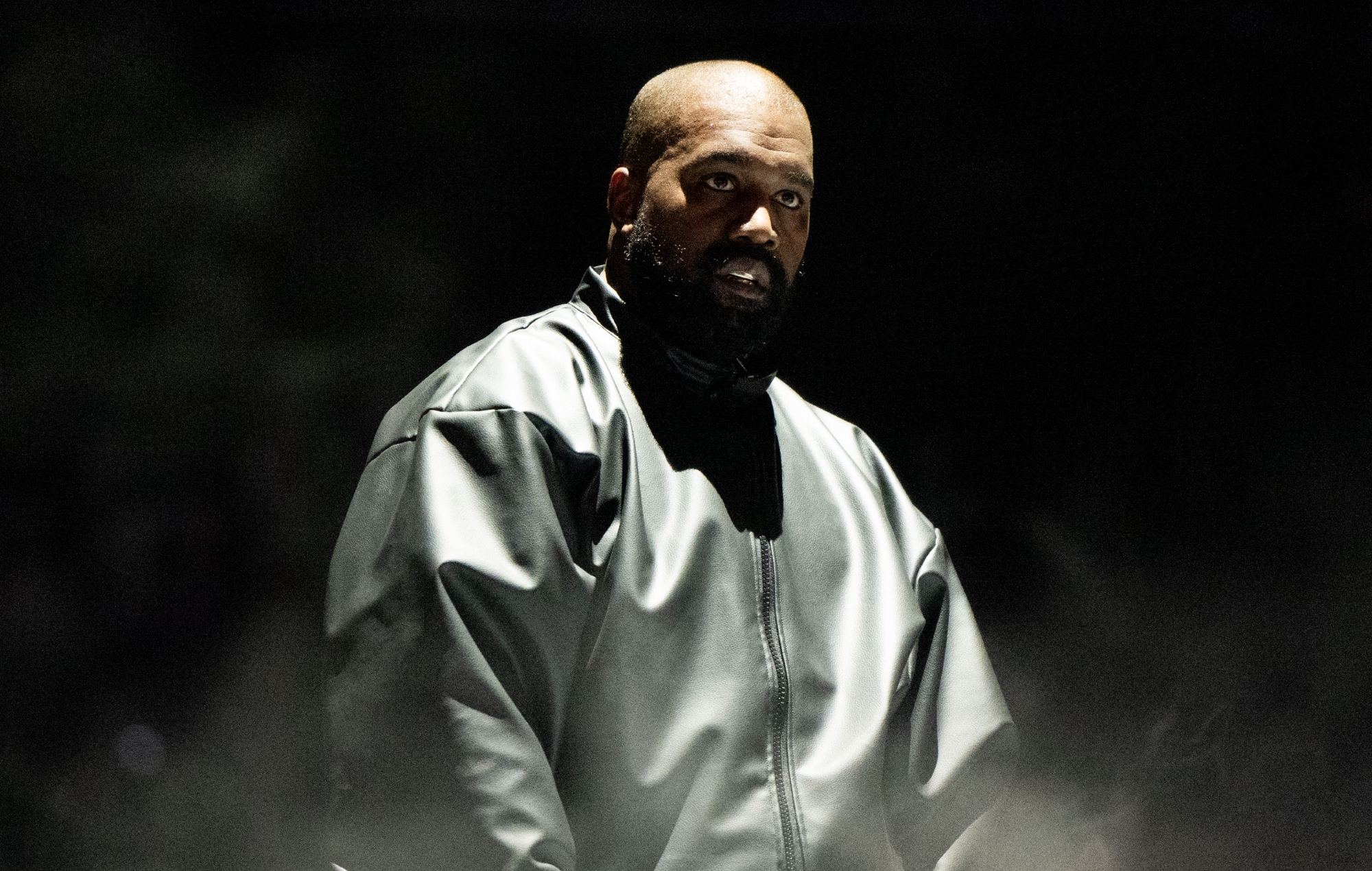
Kanye West told a jury that “a lot of people try to take advantage of me,” as he defended himself in an ongoing copyright trial over alleged samples on DONDA. The exchange came during testimony on Wednesday, May 6, in a suit brought by the musicians behind a track called “MSD PT2,” who say West used elements of their work on the songs “Moon” and “Hurricane” from his 10th studio album.
The case, filed in 2024, centers on Khalil Abdul Rahman, Sam Barsh, Dan Seeff and Josh Mease, who are seeking $500,000 in damages. Their complaint alleges that West used material from “MSD PT2” despite being denied permission to sample it — language the plaintiffs describe as a “blatant theft of musical property.” Although the contested snippet did not make the final recording, West performed an early version of “Hurricane” that included the passage at a July 2021 listening party.
On the witness stand West said the usual clearance protocols were followed. “We went through the normal process” to clear samples, he testified, according to Billboard.
He framed himself as someone who pays what he owes. “I pride myself on giving people what they deserve” for credit and royalties, West told the court, but he also suggested others see him as an opportunity. “I feel like a lot of people try to take advantage of me,” he added. “As I sit in this courtroom today, I just think people are trying to make more than they otherwise would because it’s me.”
The plaintiffs argue that West’s performance of the demo version of “Hurricane” helped drive ticket sales, merch revenue, and even a $750,000 livestreaming deal with Apple Music. In their telling, that early presentation of the song translated directly into commercial upside tied to West’s profile.
West pushed back on that line of causality. He told the jury that fans would have bought tickets to the listening event whether or not “Hurricane” or “Moon” appeared on the setlist. “People came to hear whatever I was going to play that was new,” he said. “Often people buy merch before they even hear the music.”
The trial continues to unpack the thin border between inspiration, collaboration and appropriation in a world where a single listening party can ripple into live sales, branded deals and legal fights. For fans, the case reads like another chapter in the long public history of how West’s work is experienced and monetized — from intimate preview events to multimillion-dollar partnerships.