Physical Address
304 North Cardinal St.
Dorchester Center, MA 02124
Physical Address
304 North Cardinal St.
Dorchester Center, MA 02124
Coolio's "Gangsta's Paradise" music video, directed by Antoine Fuqua and anchored by L.V.'s churchy hook and a Stevie Wonder sample, has surpassed 2 billion YouTube views. The milestone underlines the song's stubborn cultural afterlife.
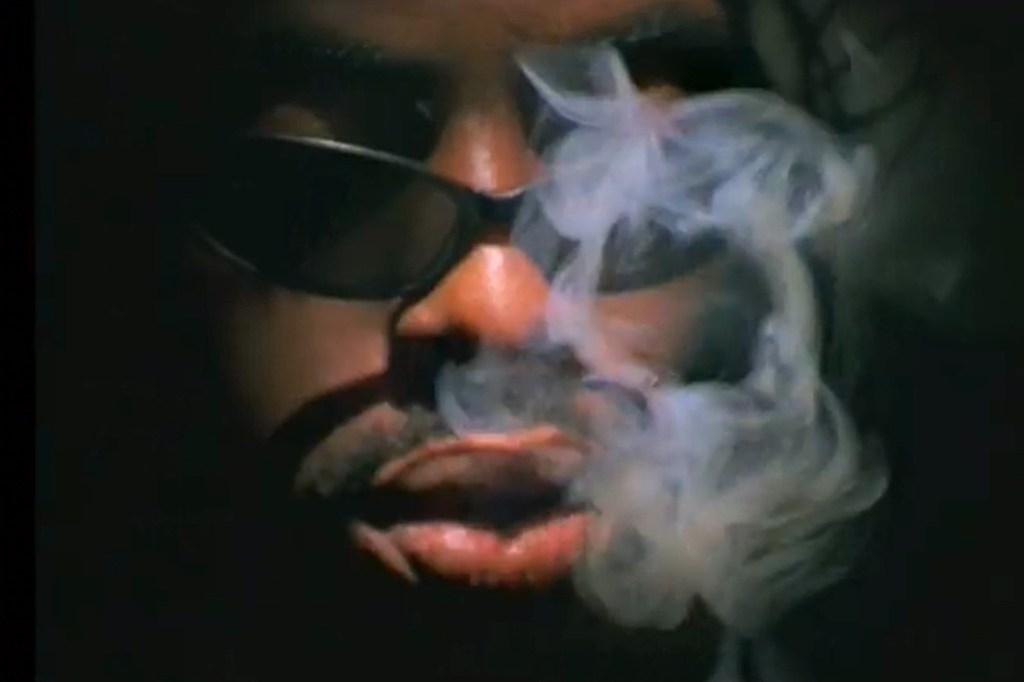
Two billion views is the kind of round, obscene number that makes you squint at a screen and think about playlists, algorithms, and people singing in basements. The official video for Coolio’s “Gangsta’s Paradise” just passed that mark on YouTube, the first of the late rapper’s clips to do so. It feels both overdue and uncomfortably inevitable.
The visual, directed by Antoine Fuqua, still reads like a compact, mid-90s noir study in regret. Fuqua cuts between Coolio’s close-up lip-syncs – the camera holding on his face long enough to catch the tiny flex of a jaw, a tired blink – and raw classroom footage from Dangerous Minds, chalk dust and fluorescent glare. L.V.’s chorus arrives like a church organ in a deserted hall, that creaky, gospel-tinged croon sitting on top of looped minor-key strings and a sampled Stevie Wonder motif that gives the whole thing a funerary sway. Production detail you hear: a tight snare with gated reverb, thin hats ticked behind it, and a low synth pad that never lets the melody fully relax.
Why do fans keep coming back? Because the song is both confession and hook. Coolio raps with that street-smart sermon cadence – not a preacher’s smoothness but the cracked, urgent voice of someone cataloging mistakes. The chorus drags you in anyway. At a festival, when that opening organ line hits, the crowd’s volume swallows the PA. It happens every time. People want the communal catharsis: the first few bars, everyone leaning in, then the singalong, voices rough and proud.
Metrics are boring but they matter here. The single topped the Billboard Hot 100 for three weeks in 1995, the album stayed on the Billboard 200 for 62 weeks and peaked at No. 9, and in 1996 Coolio won a Grammy for Best Rap Solo Performance. The video nabbed MTV awards and the song ended up as Billboard’s Year-End No. 1 for 1995. Billboard even ranked “Gangsta’s Paradise” among the 500 best pop songs in 2023. Those aren’t press-release trophies, they’re the fingerprints of a song that kept getting replayed into cultural inertia.
Then you have the afterlives: in 1996 “Weird Al” Yankovic turned the song into “Amish Paradise,” a parody that accidentally broadened the original’s lifespan and now exists as its own streaming behemoth. Contemporary artists keep poking it too – covers and live flips from Maneskin to Brittany Snow to Falling in Reverse keep resurfacing the melody in new rooms, which is part tribute and part opportunism. The song is elastic enough to live inside a parody, a rock cover, a Netflix playlist, and still feel like the same exhausted sermon.
Two billion views forces you to reckon with streaming’s strange arithmetic. This isn’t only nostalgia; it’s a long tail of repeats, algorithmic recommendations, karaoke uploads, live clips, and the occasional viral clip that drags the original back into view. Fans care because the hook still works, and because the video ties the song to a clear image: Coolio in those close-ups, the Dangerous Minds classroom, L.V.’s voice arriving like a verdict.
Some songs fade into background noise. This one keeps pulling the room into focus. And after two billion views, the last thing you want is to pretend that’s some tidy victory. It’s messier than that, loud and worn and still somehow necessary.
Watch the “Gangsta’s Paradise” music video below.