Physical Address
304 North Cardinal St.
Dorchester Center, MA 02124
Physical Address
304 North Cardinal St.
Dorchester Center, MA 02124
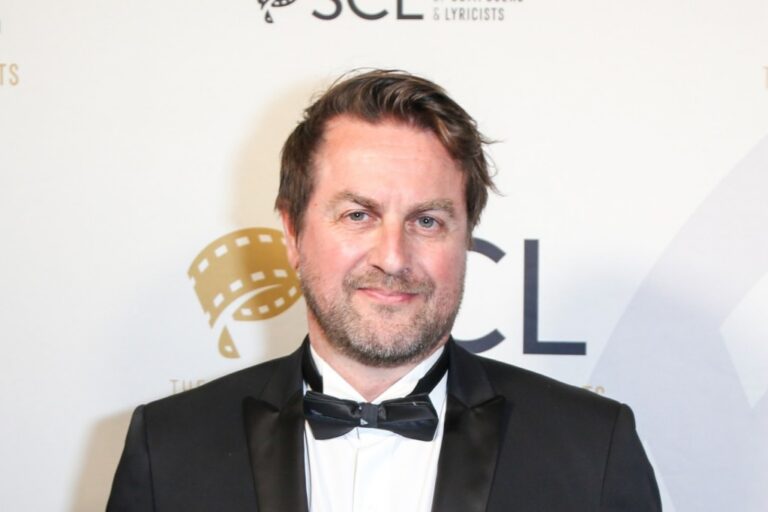
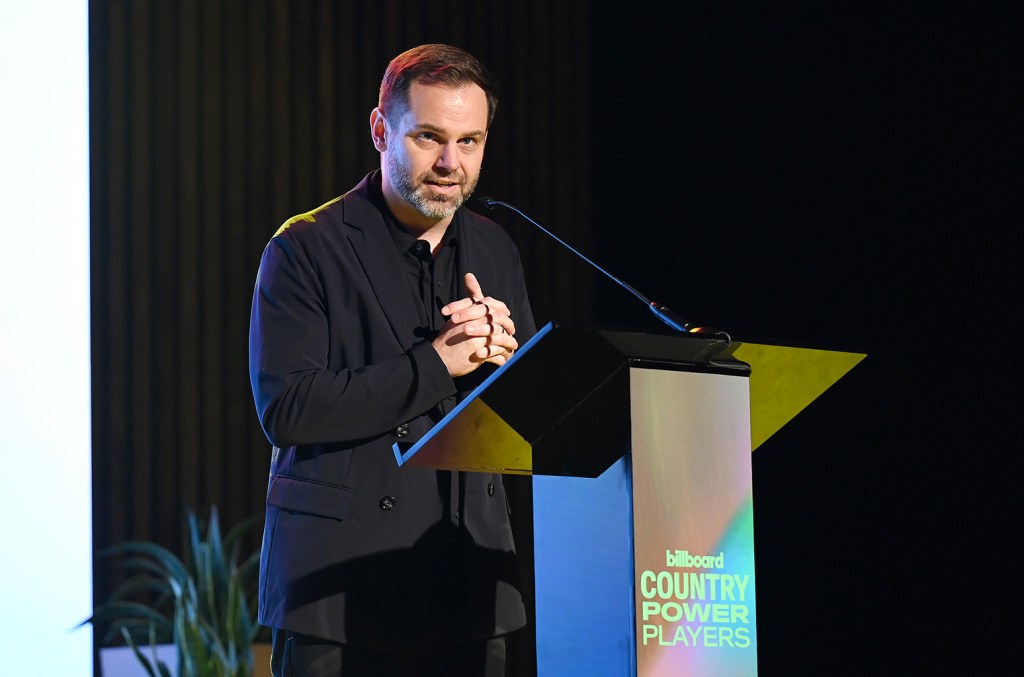
Big Loud CEO Seth England tells Billboard the rise of short form social, artist self writing and fan loyalty are reshaping Nashville. He discusses Morgan Wallen, long albums, combined label/management roles, playlists and why country has staying power.
The last few years have felt like a migration. Country songs have been sneaking into the top of pop charts with regularity, and coastal labels have taken notice. Capitol launched Capitol Records Nashville, Interscope Geffen A&M revived Lost Highway in Music City, and Atlantic opened Atlantic Outpost. The land grab is real, but so is the case that a Nashville native like Big Loud can still shape the conversation.
On this week s episode of Billboard s On the Record podcast, Big Loud CEO Seth England walked through how the company weathered the influx, how he builds creative trust with artists like Morgan Wallen, and why he thinks country will keep a seat at the popular music table for a long time. Below are the highlights and some notes from the conversation.
One of the first threads is that the era of short form social platforms has changed where songs come from. England points out that a lot of the viral material starts in bedrooms, not in pitching rooms. That environment favors self written songs, and contributes to the shift away from the old A&R cadence where outside songs dominated.
I would say, if I was to guess, no, not quite as many, because the environment has also changed. We re in the short form, TikTok, Reels, YouTube Shorts era, where more than ever in every genre you re having kids record a song from their bedroom, put it online, and whatever reaction happens, happens.
Still, England is careful not to dismiss outside material. He used the Morgan Wallen example often cited around town: England pushed for Morgan to cut Thinkin Bout Me, a move that paid off on country radio. Convincing an artist to try someone else s song, England says, comes down to earned trust and a collaborative mentality. He argues Morgan remains unusually engaged in the studio, still asking how they re doing instead of letting success dull the standards.
He ll ask, Have we lost it? Are we still sharp? Talking about striving to be great instead of good. I know that sounds cheesy, but there is a difference, and he knows there s a difference.
A question that keeps coming up in industry conversations is whether companies that combine label, management and publishing create conflicts. England admits he has heard the criticism, but pushes back on the simple double dip narrative. He says Big Loud has aimed to make artists better off financially than they d be by splitting those functions among different teams, and that he only took on management duties for Morgan because it made sense in the moment.
I only started managing Morgan when he had fallen out with some managers that weren t the right fit, and we were already deep into the relationship as label and publisher, and his natural inclination was to say, Can you help me out? I m in a less than ideal situation.
Another practical theme: long albums. Morgan s habit of releasing projects that run 30 tracks or more is not vanity, England says, but a product of abundance. After a big debut, songwriters and sessions multiply. Some of those demos don t make the final cut, but a large volume of material means they can be choosy. The gamble is that the project will reward listeners enough that they click through.
Playlists and streaming editorial are another subject where England is frank about the industry s evolution. Editorial placement, he says, can still be helpful, but it rarely builds a lasting fanbase alone. He points to Dexter and the Moonrocks as a case study: editorial playlists were useful, but accounted for a sliver of total streams. The real test, he argues, is whether a listener becomes an active fan and buys a ticket or finds more music from the artist.
Playlists don t break someone like they used to. Not to say it s not cool and great. I think in theory it still can, but it s happening so far fewer times, and it would only work for the songs that are genuinely going to convert real fans.
That idea folds into England s bigger point about country s core advantage: fan loyalty. He believes country listeners are more likely than fans of many other genres to seek out and invest in artists. That habit, more than momentary chart trends, gives the genre a kind of staying power.
He also offered a provocative moment of industry wishful thinking: if a legacy artist like Garth Brooks were to make his catalog fully available on streaming platforms, it could catalyze another multi year lift for the genre. It s less a prediction than a thought experiment about how algorithmic discovery amplifies moments when a canonical figure reenters circulation.
England doesn t pretend pop s flirtation with country will last forever. Pop borrows from whatever is dominant, and at times the crossover pendulum will swing away. But he thinks the genre will continue supplying at least a couple of top songs in any given cycle because of its dedicated fanbase and the increasingly porous boundaries between styles. That means Nashville is still a place worth paying attention to, whether you re inside the city or watching the charts from a coastal label head office.
There s a humility in his assessment that landed for me: country will have ups and downs, but its infrastructure of writers, passionate fans and the willingness to experiment with new distribution models makes the next decade feel like a continuation rather than an endpoint.
Fans who follow Morgan, HARDY, Ernest or the wave of artists Big Loud helped bring forward will recognize the tenor of what England is saying. The fight for talent in Nashville is real, but for artists and audiences who value a close creative partnership and long term career thinking, the city still has its own gravitational pull.