Physical Address
304 North Cardinal St.
Dorchester Center, MA 02124
Physical Address
304 North Cardinal St.
Dorchester Center, MA 02124
Fiddler Ashley MacIsaac is suing Google for $1.5 million, alleging its AI Overview falsely labeled him a sex offender, damaged his reputation, and led to a canceled show.
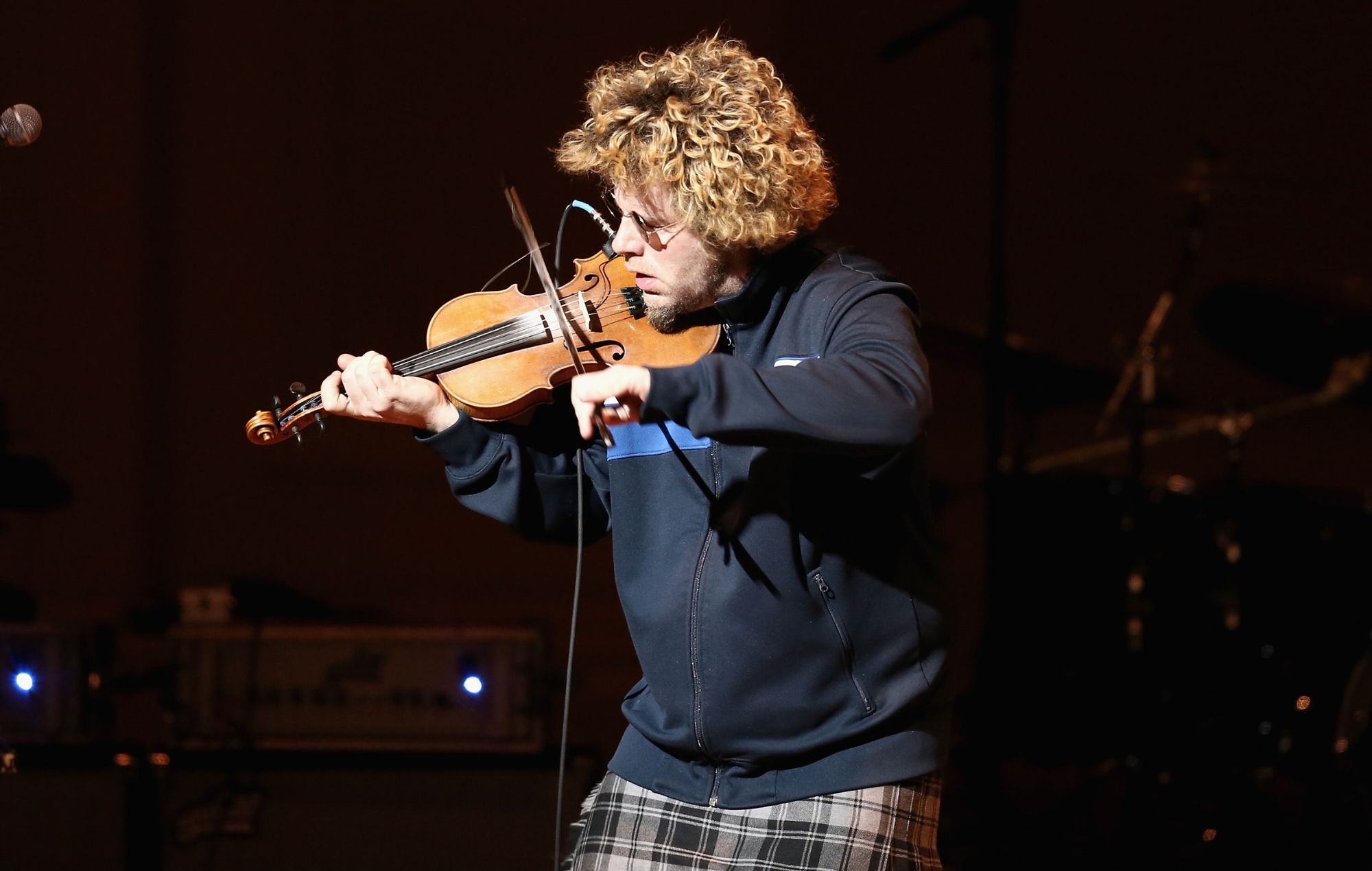
Canadian fiddler Ashley MacIsaac has filed a $1.5 million lawsuit against Google, alleging the company’s AI Overview falsely identified him as a convicted sex offender and caused serious damage to his reputation and career.
According to the claim, filed in Ontario Superior Court of Justice, Google’s AI-generated summary allegedly stated that MacIsaac had been convicted of multiple crimes, including sexual assault, online child luring with intent to sexually assault, and assault causing bodily harm. The suit also says the overview incorrectly claimed he was listed on Canada’s national sex offender registry.
MacIsaac, an award-winning musician known for his long-running presence in Canadian folk and Celtic music, says he learned about the false claims after Sipekne’katik First Nation canceled a scheduled December 19, 2025 performance following public complaints tied to the AI summary.
He is seeking $500,000 in general damages, $500,000 in aggravated damages, and $500,000 in punitive damages.
Sipekne’katik First Nation has since apologized to MacIsaac, acknowledging the cancellation was based on inaccurate AI-generated information. In a statement cited in reports, the organization said it “deeply regret[s] the harm this caused to your reputation and livelihood.”
The lawsuit argues that Google, as the designer and operator of AI Overview, is responsible for losses stemming from what it describes as a defective system. The filing states that Google “knew, or ought to have known,” that the feature could produce false results.
MacIsaac also alleges Google has not contacted him directly or issued an apology. The filing characterizes the company’s response as “cavalier and indifferent,” and argues that automated publication should not shield the company from liability.
“If a human spokesperson made these false allegations on Google’s behalf, a significant award of punitive damages would be warranted,” the claim states. “Google should not have lesser liability because the defamatory statements were published by software that Google created and controls.”
Speaking to the Canadian Press, MacIsaac said the incident left him fearing for his safety on stage and uncertain how long the false claims might continue to affect him. Through his lawyers, he also told The Guardian he felt compelled to speak publicly to clear his name and draw attention to the broader issue.
Google has not publicly commented on the lawsuit. In a December statement, the company said AI Overviews are regularly improved to provide more helpful information and that it invests heavily in response quality. Google added that when issues arise, it uses those cases to improve systems and may act under its policies.
Google’s AI Overview for MacIsaac now reflects the legal action he has taken.