Physical Address
304 North Cardinal St.
Dorchester Center, MA 02124
Physical Address
304 North Cardinal St.
Dorchester Center, MA 02124
Alex James called Glastonbury “a gory drugs bender,” arguing the festival’s hype overshadows other events like Roskilde. As Blur’s bassist and founder of Big Feastival, James speaks from experience, contrasting Glasto’s myth with smaller festivals’ civility and amenities.
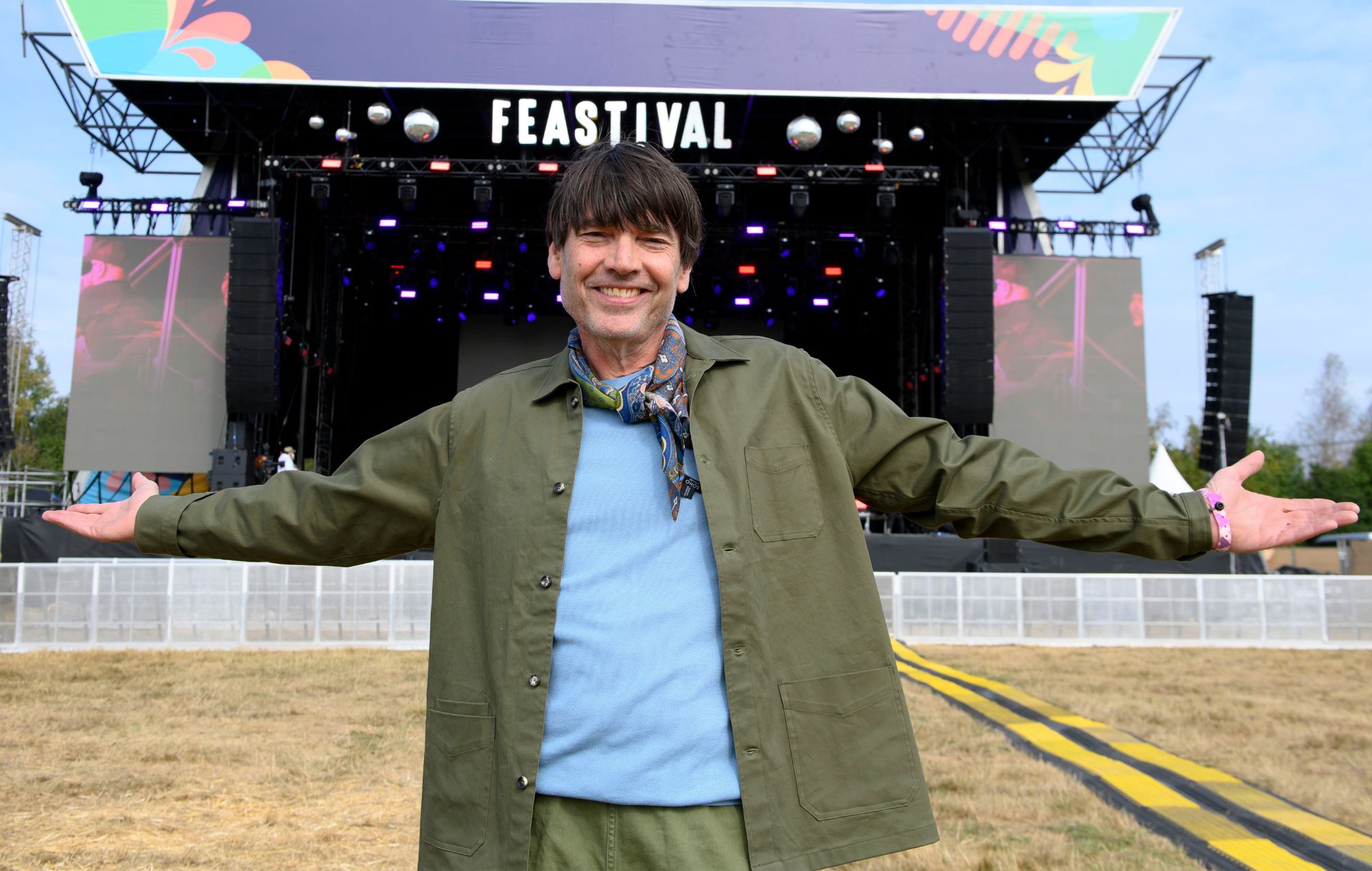
“You’d think it’s the only festival in the world,” Alex James told The Times, and he wasn’t being coy. The Blur bassist — now also a cheesemaker, winemaker and founder of his own festival — delivered a blunt, insider take on Glastonbury that will grate with some and amuse others: he described the Worthy Farm institution as “a gory drugs bender” when stacked against what he sees as more civilised European events.
That line lands harder because it comes from someone who has trod that mud. Blur played the NME Stage in 1992 and returned to top the bill in 1998 and again in 2009. So this isn’t a casual diss from a distant observer; it’s an old-hand shrugging at the myth-building around an event that sprawls across 900 to 1,500 acres and attracts a kind of reverent press narrative.
James singled out Roskilde in Denmark as an underrated foil. “Roskilde’s got amazing food because it’s Denmark, it’s just really civilised and the toilets are nice. It’s a wonderful, magical, Hans Christian Andersen fairytale of an event,” he said — the sort of oddly specific compliment that tells you more about what he values in a crowd experience than any festival press release ever would.
It’s worth noting why this matters to fans. Glastonbury is functionally part of British pop identity; it’s where careers are burned into collective memory. When a member of Blur — one of Britpop’s most durable acts — hints that the common narrative is overblown, it reframes conversations about what a “good” festival feels like. Is it spectacle, or civility? Mud and myth, or warm toilets?
James’s perspective is also shaped by his sideline as a promoter. He started Big Feastival in 2011 with Jamie Oliver, moved it from Clapham Common to his farm in Kingham, Oxfordshire in 2012, and now programs a family-friendly weekend that this year features Basement Jaxx, The Streets and Bastille. Running a festival changes how you look at festivals. You notice lines, food stalls, crowd movement. You notice details that don’t make the headlines.
He spoke recently about taking his orchestral celebration of the ’90s on the road after debuting it at Big Feastival. I half-smiled at that — the idea of Blur songs in an orchestral shell feels oddly tender — and the comment came with more industry-minded observations: “Coachella is the biggest festival in the world. As someone who runs a festival, I was impressed by that. I thought it was great.”
That split opinion — dismissive about Glastonbury’s hedonism but impressed by Coachella’s scale — threads through the band’s recent public life. Blur released The Ballad Of Darren in 2023, their first record in eight years, and the following year their Coachella set produced headlines for all the wrong reasons when Damon Albarn publicly scolded a muted crowd.
During ‘Girls & Boys’, Albarn tried to force a sing-along, telling the audience, “You can do it better than that.” When the tone didn’t lift, he snapped: “You’re never seeing us again, so you might as well fucking sing it. Know what I’m saying?” The moment felt like a veteran performer’s fury at ambivalence — it’s the sort of bluntness fans either love for its honesty or wince at for its temper.
That tension encapsulates why James’s comments matter. He’s part of a generation that helped define the festival circuit’s current mythology, but now runs his own event and makes wine and cheese; he looks at Glastonbury with both affection and a promoter’s scepticism. Fans hear him and ask questions: are we romanticising the wrong things? Are we confusing size and spectacle with quality?
Whether you agree with the phrasing — “a gory drugs bender” is intentionally provocative — the point he’s making is practical. Festivals are different. Some are elaborate, corporate behemoths with production values that flatten intimacy. Others, like Roskilde in his telling or his own Big Feastival, trade headline glitter for detail: better food, better loo queues, a different kind of communal rhythm.
It’s easy to interpret James’s remarks as contrarian chest-beating. It’s also useful to hear them as a reminder: festivals are not interchangeable. For fans planning summers around lineups and atmospheres, his comments do one thing well — they force a second look at what people are actually celebrating when they seep into the mud at Worthy Farm or camp under Danish skies.