Physical Address
304 North Cardinal St.
Dorchester Center, MA 02124
Physical Address
304 North Cardinal St.
Dorchester Center, MA 02124
When BTS dates at Mexico City’s GNP Seguros Stadium sold out in under an hour, the ticket scramble escalated into a political matter — President Sheinbaum asked South Korea for more concerts, fans demanded transparency, and business groups counted millions in potential impact.
When three shows at Mexico City’s GNP Seguros Stadium vanished from sale in under an hour, the story stopped being just about scalpers and screaming fans. It turned into a national conversation — and, unusually, a diplomatic one. The scene in late January felt equal parts concert frenzy and civic emergency: thousands of emails to authorities, social feeds full of outrage, and a president publicly asking for more dates.
On January 26, President Claudia Sheinbaum told reporters she had asked South Korean President Lee Jae Myung to help secure extra BTS shows after the Mexico City dates for the ARIRANG World Tour (scheduled for May 7, 9 and 10) sold out almost immediately. “The concerts will be in May, and about a million young people want to buy tickets, but there are only 150,000 available,” she said, a line that framed the conversation as a problem of access rather than fandom.
That request was not merely performative. Sheinbaum first reached out to Alejandro Soberón, head of promoter Ocesa, and when that produced no new dates she escalated to Lee via a formal letter. Weeks later, officials in Seoul said they had forwarded the note to HYBE, BTS’s management company — an answer Sheinbaum described on March 17 as “very receptive.” It was rare to see pop scheduling bounce between presidential offices, and the spectacle raised questions: when does cultural demand deserve a seat at the diplomatic table?
The political attention arrived amid a much messier domestic dispute. Fans and consumer advocates flooded the Federal Consumer Protection Agency, Profeco, after a presale that some viewed as opaque; organizers reported nearly 5,000 emails. Ticketmaster Mexico pushed back with its own set of numbers. “For these BTS shows, 136,400 tickets were sold on our platform,” the company said, adding that since the ARIRANG tour announcement more than 2.1 million people had visited their BTS pages.
Ticketmaster leaned on metaphors to give scale: if that demand had queued physically, the line would stretch from Mexico City to the U.S. border — a range the company put between 785 and 2,300 kilometers. It also compared those visits to the capacity of 46 full-capacity concerts at the same stadium. The numbers read like modern proof: fandom is an economic force and, increasingly, a logistical headache.
“Our request was always the same: clarity in the ticket sales,” said Melissa Salinas, a 27-year-old radio host from Sonora and a member of ARMY Mexico. “Asking for more concerts in Mexico sparked criticism of our community from outside.”
Not everyone loved the presidential intervention. Some members of Mexico’s ARMY called it excessive — a private market problem dressed up as policy. Others saw it as validation: public officials acknowledging that millions of people treat pop culture as part of civic life. The debate exposed the awkward overlap between civic duty and cultural enthusiasm.
Politics and pop had already been colliding. In late 2025, Marcelo Ebrard, then Secretary of Economy and former foreign minister, used an official trip to Seoul to meet j-hope and publicize Mexico’s affection for BTS. It wasn’t just theater; city leaders and business groups were candid about what the concerts would mean for the capital.
Vicente Gutiérrez, president of Canaco CDMX, estimated an economic impact around $107.5 million (1.861 billion pesos), with roughly $88 million (1.529 billion pesos) tied to ticket sales. For a city still hunting big events since the pandemic slump, those figures are not abstract. They are hotels filled, restaurants booked, streets full of fans in blue lightsticks and band T‑shirts.
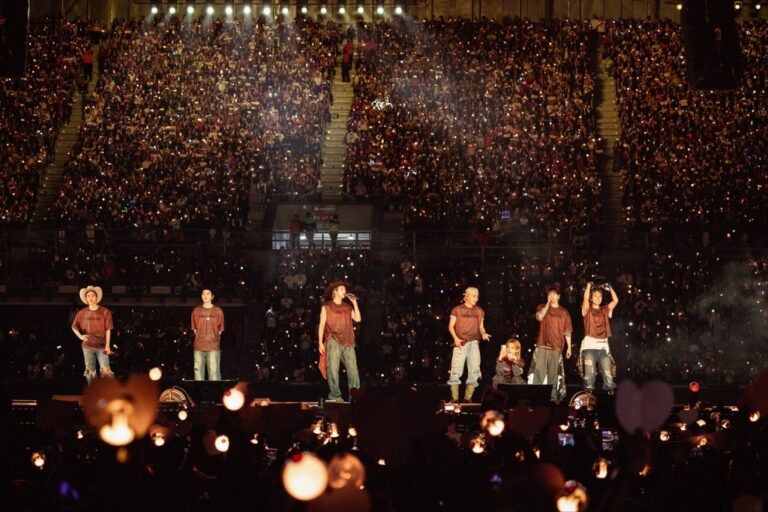
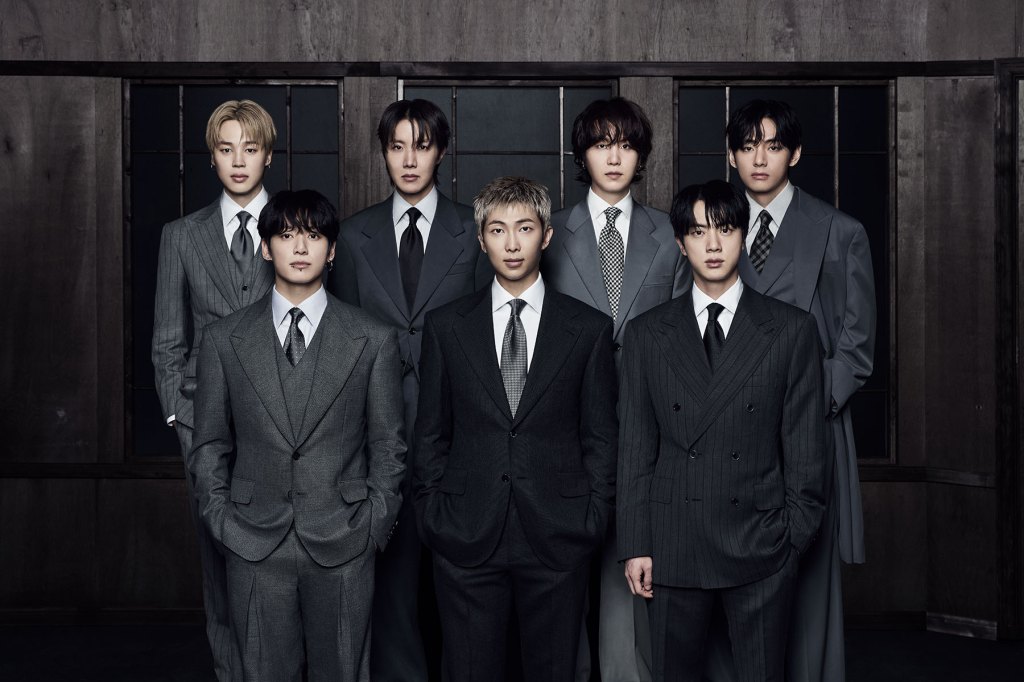
BTS are no strangers to Mexico: they played there in 2014, 2015 and 2017. This return — RM, Jin, SUGA, j‑hope, Jimin, V and Jung Kook together again — feels different because the scale of the tour itself is larger, and because the fandom now speaks in bigger numbers and louder channels. The ARIRANG tour opened April 9 at Goyang Stadium in Seoul; Mexico City is one notable stop on what the local ARMY expects will be historic nights.
There’s an almost theatrical quality to the buildup. Fans describe it as a love story waiting to happen: Seoul’s polished production meeting Mexico City’s theater-of-emotion crowd. “They’re going to fall in love with Mexico,” Salinas told Billboard Español. You can hear the optimism in it — and the impatience, too, from those still trying to get a seat.
At stake here is more than supply and demand. It’s a snapshot of how pop culture operates in an age of amplified audiences: when a show sells out in minutes, when ticketing platforms collapse under traffic, and when government officials feel compelled to step in. Is this the future of global touring, or a one-off where fandom collided with geopolitics? Either way, for Mexico’s ARMY the story is already personal. The band arrives in May; until then the argument over access will keep playing out online and in press conferences.