Physical Address
304 North Cardinal St.
Dorchester Center, MA 02124
Physical Address
304 North Cardinal St.
Dorchester Center, MA 02124
UK Music and other industry voices slam the King’s Speech ticket tout bill as a delay to promised fan protections.

The UK music industry has reacted with frustration after the government folded its promised ticket tout crackdown into a draft bill in Wednesday’s King’s Speech, a move that effectively slows down a reform many fans and artists had been waiting for.
Only last week, Prime Minister Keir Starmer had told live music fans he would “stamp out ticket touts for good,” promising action “as soon as possible,” in a letter first revealed exclusively by NME. But in Parliament today, the policy landed as the Draft Ticket Tout Ban Bill, a status that means consultation, committee scrutiny and further delay before anything becomes law. In practical terms, that could push real change years down the line.
The government says the bill is intended to “destroy the operating model of ticket touts,” improve access for genuine fans when tickets go on sale, and end inflated resale prices. On paper, the proposals are broad: making it illegal to resell a ticket above face value, capping service fees, stopping people from reselling more tickets than they were allowed to buy, putting obligations on resale platforms, and giving the Competition and Markets Authority power to issue heavy fines.
But the mood across the sector was not exactly celebratory. UK Music chief executive Tom Kiehl called the government’s approach a “betrayal of millions of music fans,” arguing that continued inaction allows money to be siphoned overseas while resale businesses keep growing richer. He urged MPs to look for other ways to pass primary legislation within this parliamentary session.
Ticketmaster UK managing director Sarah Slater also struck a critical note, saying the lack of definitive action was disappointing. She pointed out that Ticketmaster voluntarily capped resale at face value in 2018 and has since invested in safer digital tickets, stronger bot detection, clearer pricing and better queue information. “As long as touts are allowed to make huge profits reselling tickets on other platforms, the problem will continue,” she said.
Which? director of policy and advocacy Rocio Concha said it was disappointing not to see full legislation in the King’s Speech, especially after Starmer’s pledge just days earlier. She warned that draft status could mean more consultations and more reviews while touts continue to profit and secondary sites keep pressing against reform. Her message was blunt: the government should deliver a finalised bill within 12 months.
Annabella Coldrick, chief executive of the Music Managers Forum, said the move was “hugely disappointing” after a decade of campaigning, a Labour manifesto commitment and a public consultation that had already produced strong commitments to legislate last November. She said the longer route would cost fans dearly, with hundreds of millions of pounds already lost each year to price-gouging ticket touts. “We need deeds, not words,” she said, asking for a clear timeline.
FanFair Alliance campaign manager Adam Webb echoed that sentiment, praising the government’s pledge to “put fans first” while questioning why it would take the “long road” when protections could be introduced now.
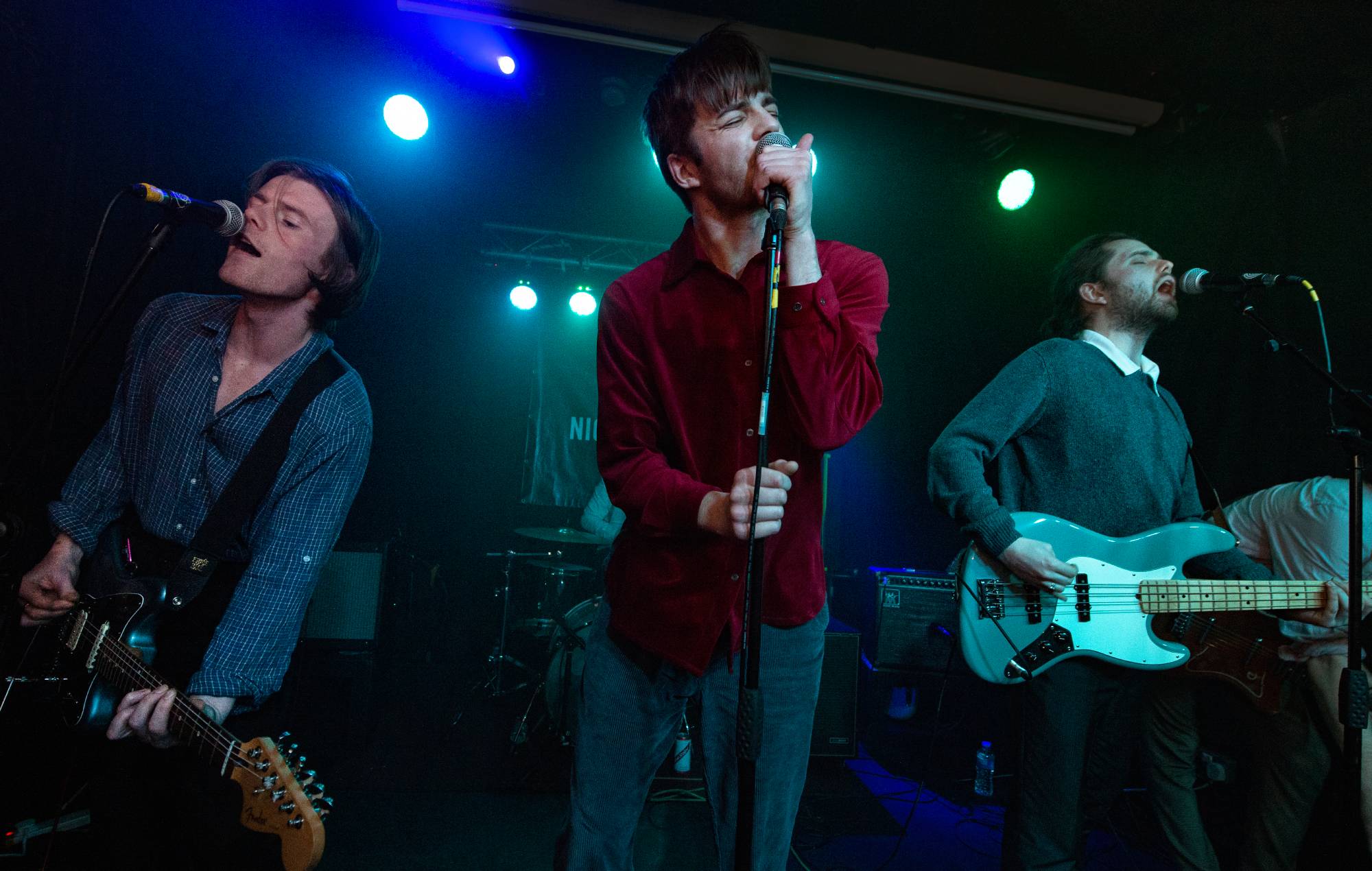
Fontaines D.C. perform at Night People in Manchester in 2018 (Photo by Visionhaus/Getty Images)
A government spokesperson defended the decision, saying ministers remain committed to stamping out ticket touting “for good.” They argued that draft legislation is the best way to make sure the rules are effective, enforceable and future-proof, and said fans deserve proper protection and security.
Viagogo, meanwhile, pushed back against the price cap itself. The secondary ticket site said it understood the government’s position, but argued that a resale cap would not improve choice, competition or fraud prevention. The company said resale makes up only 6 per cent of the market, with primary platforms accounting for 94 per cent, and claimed real reform should begin with open ticketing and linked platforms. Without that, it warned, reform would fall short and could leave fans with fewer options.
The issue has been building for months. Labour promised in its 2024 manifesto to “put fans back at the heart of events” with new protections on ticket resales. In January 2025, the government said it would introduce a resale price cap and launch an official consultation into live events tickets and dynamic pricing. That official consultation into the industry and controversial ‘dynamic pricing’ practices ran from January 10 until April 4.
By November, though, there were still no firm plans, prompting artists including Radiohead, Sam Fender and Dua Lipa to call on the government to keep its pledge. Soon after, the government said the price cap would be part of the King’s Speech and Culture Secretary Lisa Nandy told NME the legislation would still have to pass both Houses before becoming law.
Concerns returned last month when industry figures signed another open letter warning against a U-turn. Backing that appeal were management teams for Arctic Monkeys, Ed Sheeran, Fontaines D.C., Keane, Nick Cave and Radiohead.
The row also sits against a broader debate around live music funding. In an interview with NME last August, Starmer was asked about the £1 ticket levy supporting grassroots venues, after the model was taken up on major tours by artists including Coldplay, Katy Perry, Sam Fender and Mumford & Sons. “I’m very supportive of this initiative,” he said at the time, adding that so much of the country’s music comes from the grassroots.