Physical Address
304 North Cardinal St.
Dorchester Center, MA 02124
Physical Address
304 North Cardinal St.
Dorchester Center, MA 02124
Maryland Gov. Wes Moore signed the PACE Act, restricting when prosecutors can use rap lyrics as evidence in criminal cases.
Maryland Gov. Wes Moore signed a new law Tuesday, May 12, putting limits on when prosecutors can use rap lyrics as evidence in criminal cases. It is the latest win for artists and advocates who have spent years pushing back against a practice they say turns creative expression into suspicion.
At a signing ceremony in Annapolis, Moore approved the Protecting Artists’ Creative Expression Act, or PACE Act, which was passed last month. The law allows prosecutors to use rap lyrics and other forms of creative expression only under narrow conditions, rather than treating them as easy evidence in trial.
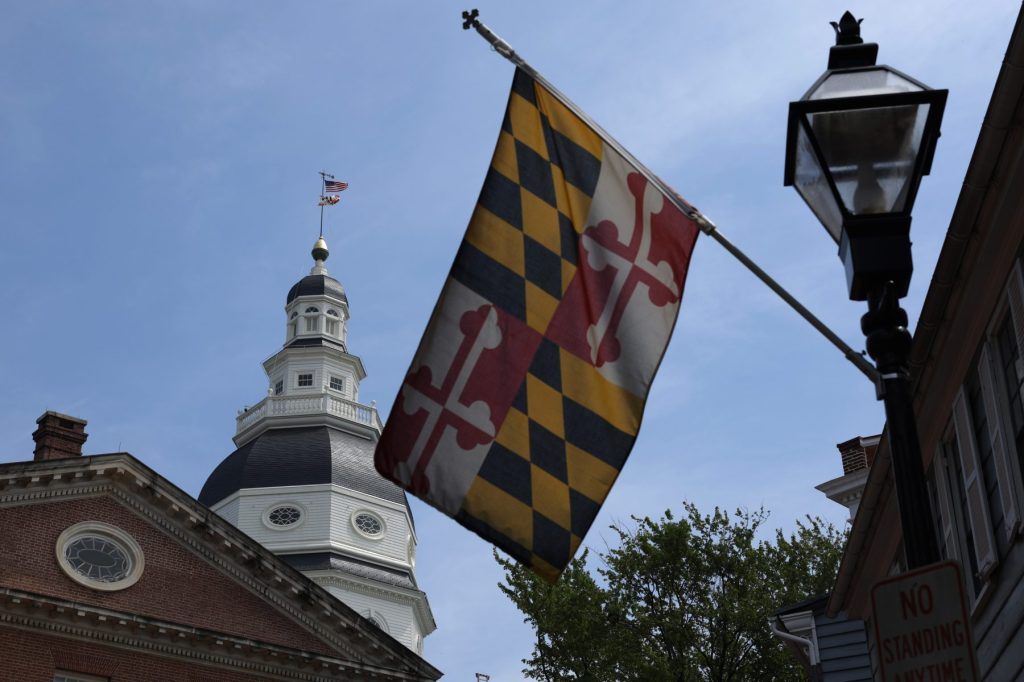
As a Maryland State flag flies in the foreground, the Maryland State House is seen on August 21, 2023 in Annapolis, Maryland. Alex Wong/Getty Images
Moore framed the issue in stark terms, pointing to the scale of how often hip-hop has been singled out in court. He said rap lyrics have been cited more than 800 times, while songs from every other genre combined have been used by prosecutors just four times.
“This is not a coincidence. This is bias,” Moore said. “In Maryland, that ends today.”
That disparity has long been at the center of the fight over what critics call “rap on trial.” Prosecutors have leaned on lyrics for decades in efforts to secure convictions against the artists who wrote them, with high-profile cases involving Young Thug and Lil Durk alongside countless lesser-known rappers and amateurs.
The backlash has only grown more organized, with music industry figures and other opponents arguing that using lyrics as evidence chills free speech and plays into racial bias, especially against young Black men. Maryland is now the third state to pass legislation restricting the practice, after California in 2022 and Louisiana in 2023. Similar bills are now being pushed in New York, Georgia and Missouri.
“Today, Maryland makes history and sends a message that our creativity is not a confession, and our imagination does not belong in an indictment,” Kevin Liles, the CEO of Warner Music Group’s 300 Entertainment and a longtime advocate on the issue, said in a statement Tuesday.
Harvey Mason jr., CEO of the Recording Academy, echoed that view in the same statement. “Lyrics are a powerful tool for personal expression, not a shortcut to criminalization,” he said. “This legislation helps establish important guardrails that ensure artists’ creativity is not unfairly used against them.”
The law does not ban lyrics from criminal cases outright. Prosecutors can still use them when they are clearly relevant, but they now have to meet a higher bar. They must show, by a preponderance of evidence, that the lyrics are worth admitting at trial.
Before jurors ever hear or see those words, judges will also have to decide that the artist meant them as literal statements, that they relate to the facts of the case, and that they speak to a disputed issue in the trial.