Physical Address
304 North Cardinal St.
Dorchester Center, MA 02124
Physical Address
304 North Cardinal St.
Dorchester Center, MA 02124
Rubén Blades reflects on suing Fania, launching his label, rerecording Siembra and why ownership and independence have defined his career.
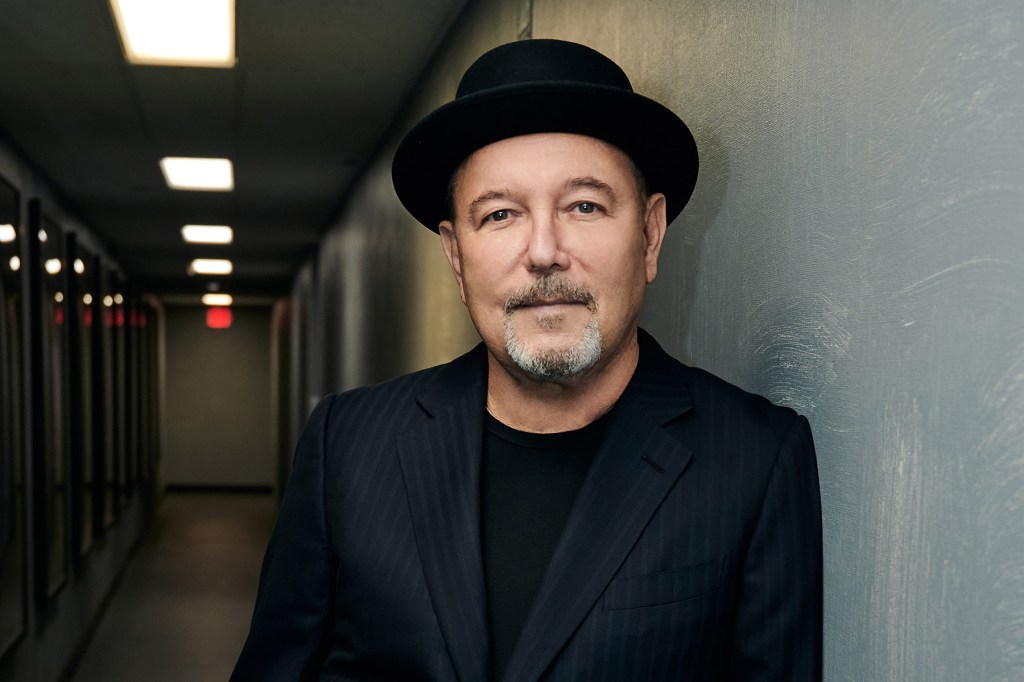
After suing Fania, rerecording Siembra and launching his own label, Rubén Blades insists there was no other way: “After being exploited by record labels, the only path for me was independence.” At 77, the man who earned a Harvard master’s in international law but became one of salsa’s most literate storytellers still treats ownership as a moral and artistic imperative.
Blades’s trajectory has always been full of improbable detours. He made his first record, De Panamá a New York, in 1970 for Alegre, the Morris Levy label, and then watched Alegre and Tico fold into Fania when Jerry Masucci bought them in 1975. The Fania years brought commercial breakthroughs and some of his most durable work alongside Willie Colón, but they also ended in litigation: Blades sued Fania twice for unpaid royalties and copyright infringement, ultimately recovering his compositions even if not all his masters.
“Fania only paid me $1,000 for Siembra and then claimed it hadn’t recouped its investment,” he says plainly. “I sued them twice, until I finally recovered my compositions, though not my master recordings. As for royalties? Goodbye!” He remembers the arithmetic of label accounting with the kind of weary humor that comes from long experience: “If you try to calculate domestic or foreign royalties, you risk suffering from a brain aneurysm.”
That frustration turned into a business model. In 2004 Blades founded Rubén Blades Productions and has since released 11 albums on the imprint; those records have been honored with 11 Grammys and 11 Latin Grammys (part of career totals of 13 and 12, respectively). Twenty-three of his projects have charted on Billboard’s Top Tropical Albums list — the fifth-most in that chart’s history — and he’s placed tracks on Hot Latin Songs across three decades. In 2024 he signed a partnership with Virgin, another step toward combining independent control with global reach.
“Record companies don’t convince me,” he tells us about why he chose that route. “They don’t protect artists’ rights as they should, they never pay on time, it’s impossible to understand their accounting, too many excuses, few benefits, too many traps. Labels present themselves as defenders of art, and they’re no such thing.”
There’s a personal logic to his stance. Some older recordings have reverted to him — “I’ve recovered several recordings, like ‘Buscando America,’ but only for the U.S.” — while others remain tied up in the catalog wars that now involve Craft/Concord, the company that owns the historic Fania archive. Blades is frank about the complications: albums made with Colón are legally collaborations, he explains, so reclaiming those masters requires agreement from both parties or their heirs. The practical answer, he decided, was to re-record: “I decided to rerecord Siembra in its entirety, and now I own that master.”
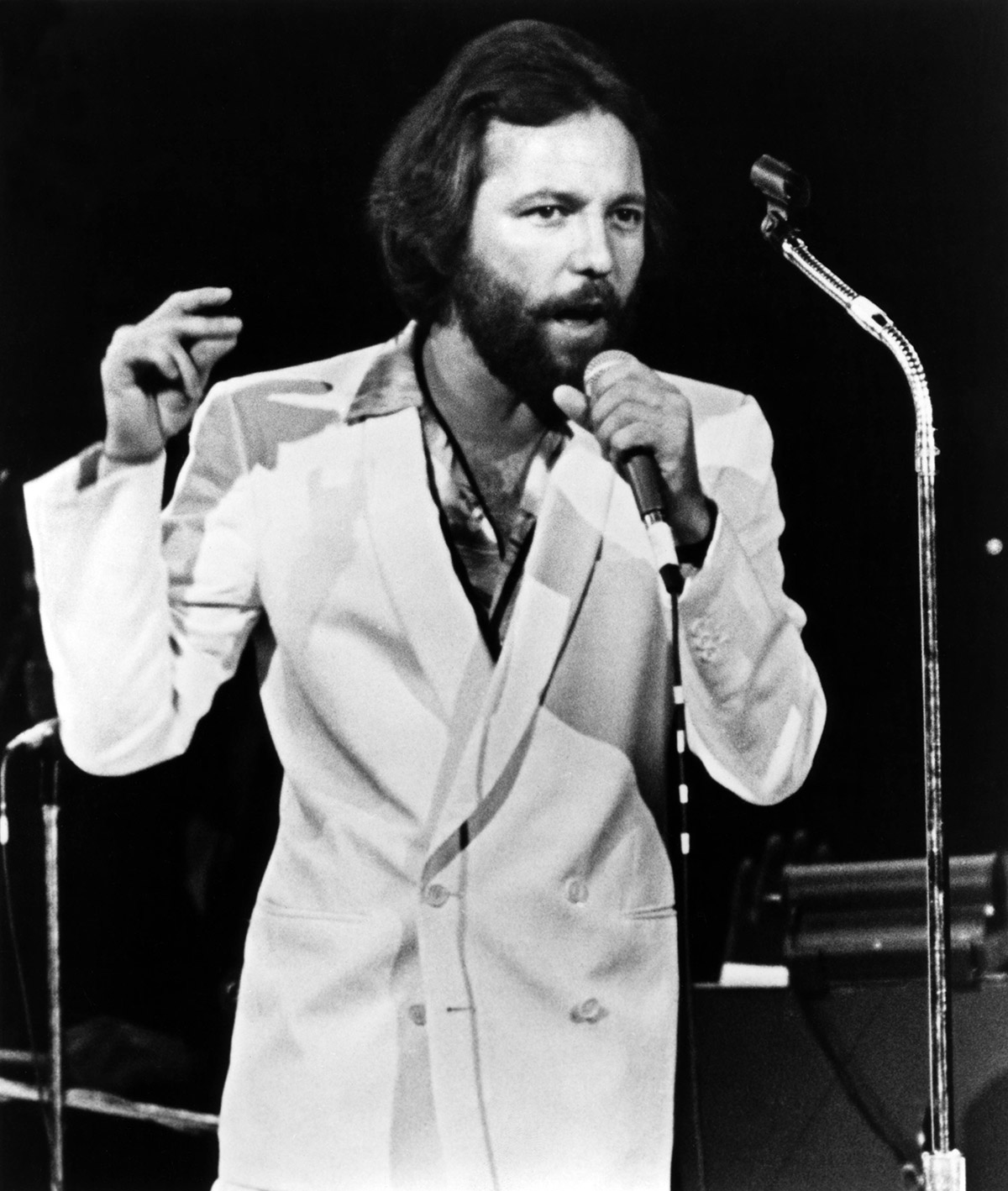
He reserves a mix of affection and scorn for Fania’s founders. “Jerry Masucci and Johnny Pacheco revived Afro-Cuban music, gave ‘salsa’ an international audience and provided opportunities to many talents,” he says, acknowledging their outsized role in creating a global movement. “The bad: The company exploited its artists. It did not compensate us fairly for what they earned from us. We became their property, and our rights and contributions were not respected or appropriately remunerated.” The praise and the reproach sit together; Blades can admire the sweep of Fania’s achievement while cataloging its costs.
He extends that critique to the major-label model in general. His time at Sony, he says, only confirmed a pattern: advances and exposure in exchange for control and often inscrutable accounting. “With a major label, you get a guaranteed money advance, but good luck getting an accurate accounting of royalties or more money later. And you lose control of your record — it now belongs to someone else.” By contrast, being independent is harder work but means ownership. “What I prefer to do is rerecord the songs on my own and not depend on third parties to reclaim my master recordings.”
Blades has not retreated from public life, or from politics. He posts on his blog “Apuntes desde la Esquina (Notes From the Corner)” and his memoir, Life’s Little Surprises, is due next year from Penguin Random House. “The fact that I’m an artist doesn’t exclude me from the consequences of political acts or the effects of daily society,” he told Billboard. “I aspire to present an objective perspective, an independent analysis that isn’t influenced by economic or ideological interests…”
Those convictions have never been career suicide. His compositions for Fania “ended up making Fania millions of dollars, even after being denounced by some as political or worse,” he notes. He frames those songs as urban commentary more than partisan manifestos: reflections on city life and the human effects of poor governance.
Outside the studio Blades keeps a busy, varied life. He’s acted on television — slaying zombies on Fear the Walking Dead — and recently starred in Jonás Cuarón’s Campeón Gabacho, produced by Alfonso Cuarón; he’s slated to begin work on Armadillo Untied with Antonio Banderas. Musically he’s preparing an album that stitches big-band arrangements to 1970s salsa sensibilities, nodding to the two-trombone sound of Willie Colón and Eddie Palmieri, and he’ll hit Europe and Latin America this summer.
Money and lifestyle are part of the conversation too. Blades says he’s never been preoccupied with becoming a billionaire. “I’ve always lived on an annual budget, and that’s why I’ve learned that you can live well without necessarily being a millionaire. I was never interested in amassing a fortune.” He counts royalties and touring as steady sources of income but notes he no longer depends on touring for liquidity.
Practical counsel for younger artists arrives blunt and specific. Don’t use drugs. Be original and sincere. Write about the world you live in. “Save money. Get good professional advice. Pay your taxes. Create your own publishing company and register your creations. Plan for retirement. Get health insurance. Treat everyone with respect. Pay your bills on time. Pay well those who help you succeed.” Above all, he says, clarify from the beginning why you are in music.
He also says what he wishes someone had told him sooner: set up your publishing company early and plan for retirement. Those omissions, he admits, left money on the table in the long run.
Mentorship, to Blades, is reciprocal. He has worked with younger artists like Fonseca and Residente and describes collaboration as a two-way street: “I don’t see my collaborations only as ‘mentorship’ because I also learn from the artists I share with, no matter their age.” He still speaks at schools and universities and treats the exchange of knowledge as part of his duty.
Blades’s career reads like a series of refusals — to be boxed in as merely an entertainer, to accept exploitative industry norms, to stay silent. The legal battles and the rerecordings are less about vindication than about a simple, unglamorous artistic right: control of your own work. “As an independent [creator], I don’t have the organizational power of a multinational, but at least what I make belongs to me and I can leave it to my family,” he says. For an artist who has always moved between law, music, film and politics, independence has become both a strategy and a moral stance.
This interview has been edited for length and clarity.