Physical Address
304 North Cardinal St.
Dorchester Center, MA 02124
Physical Address
304 North Cardinal St.
Dorchester Center, MA 02124
Ian Curtis: Insight brings handwritten Joy Division lyrics, letters and artefacts to Voltz Clarke Gallery in New York from June 25 to July 22.
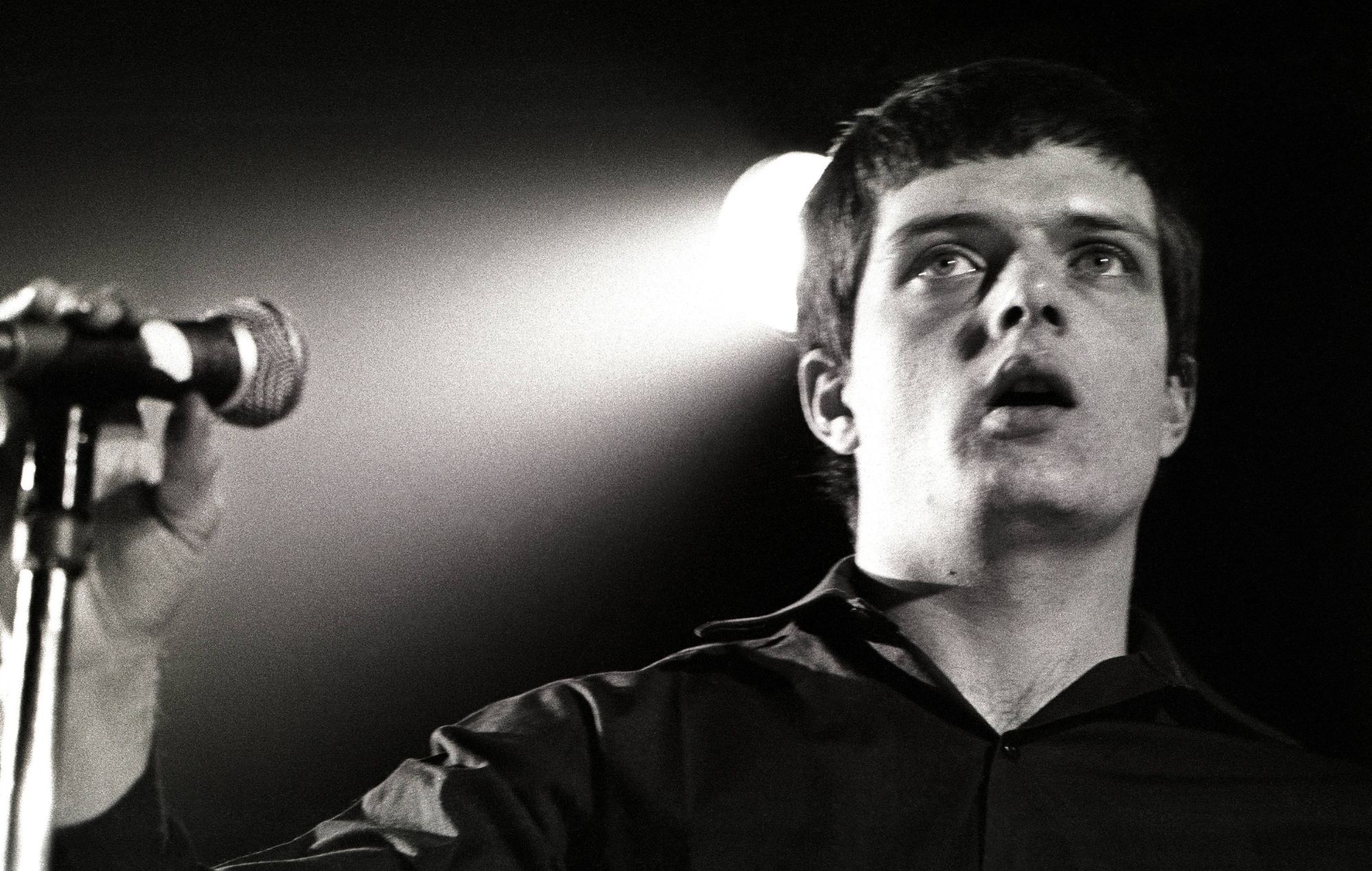
The most arresting detail in the new Ian Curtis exhibition isn’t a poster or a press photo but a page of his handwriting: a scrawl of Joy Division lyrics, coming to New York for the first time. Ian Curtis: Insight opens at the Voltz Clarke Gallery from June 25 to July 22, bringing personal letters, photographs, ephemera and those intimate lyric sheets across the Atlantic in a rare window onto the singer’s creative life.
The material is being loaned from The John Rylands Library at The University of Manchester, where the archive sits within the British Pop Archive. Expect an arrangement that leans into both fandom and context, showing how Curtis’ late-1970s Manchester fed the tension and tenderness that energised his songs: industrial landscapes, DIY urgency, and a city in creative motion.
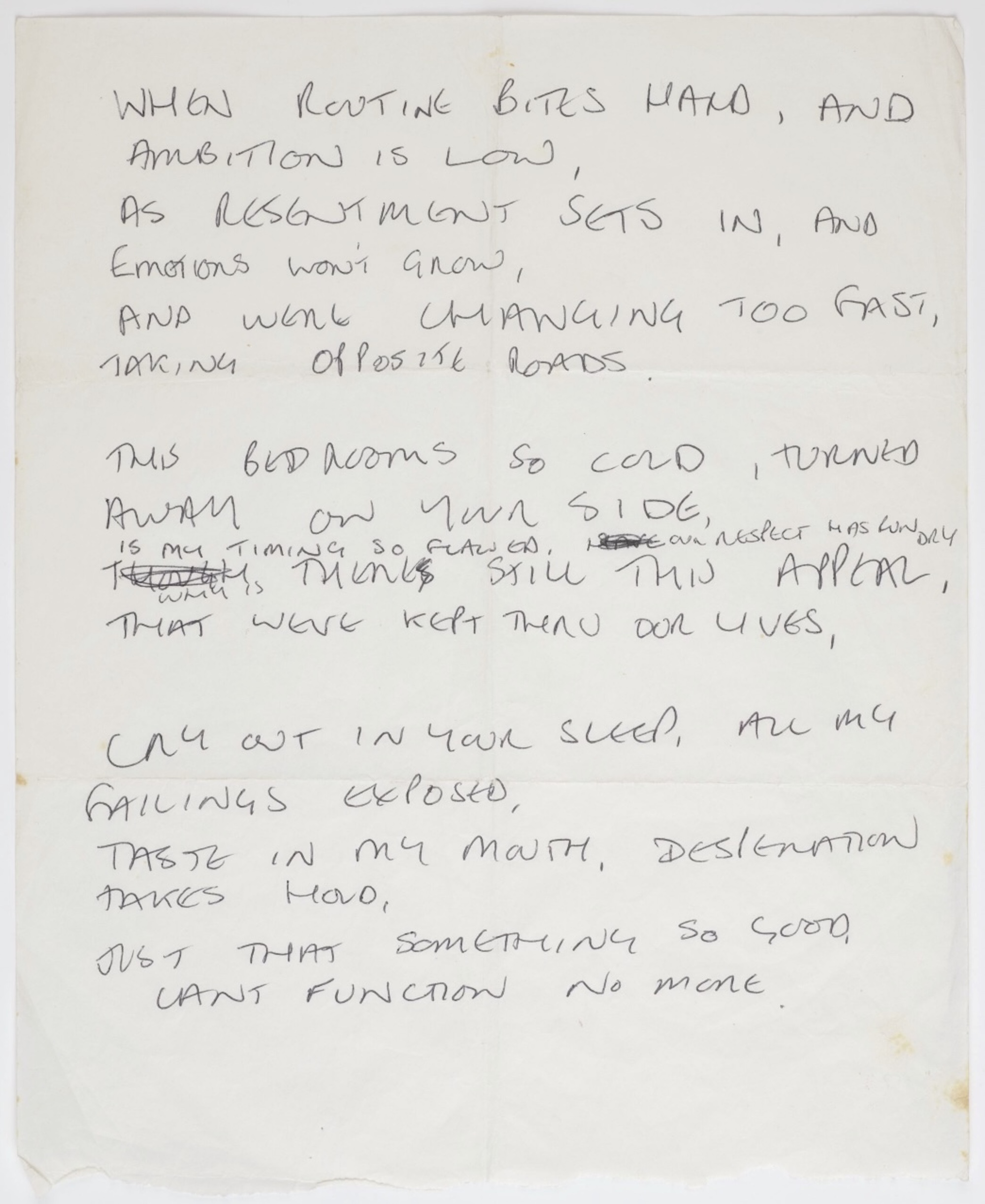
Handwritten lyric to ‘Love Will Tear Us Apart’ by Joy Division, Ian Curtis, c 1979. CREDIT: The University of Manchester
The organisers promise “an intimate and revealing” selection — handwritten lyrics, photographs, personal letters and artefacts — pieces many Americans will never have seen in person. “This exhibition is part of The University of Manchester’s remit to share our Special Collections globally,” said Professor Christopher Pressler, University Librarian and Director of The John Rylands Library. “The Ian Curtis archive is of national significance, and Joy Division are one of the UK’s most important and iconic bands,” he added, tying the show to the university’s “From Manchester for the World” strategy.
The Voltz Clark Gallery has framed the presentation as a debut for US audiences. “We are delighted to work with the University of Manchester to showcase the archive materials of Ian Curtis, debuting in the USA for the first time,” a gallery spokesperson said. They flagged a practical connection too: with fifty percent of the gallery’s ownership British, the space has often invested extra time with UK artists and sees this project as an honour.
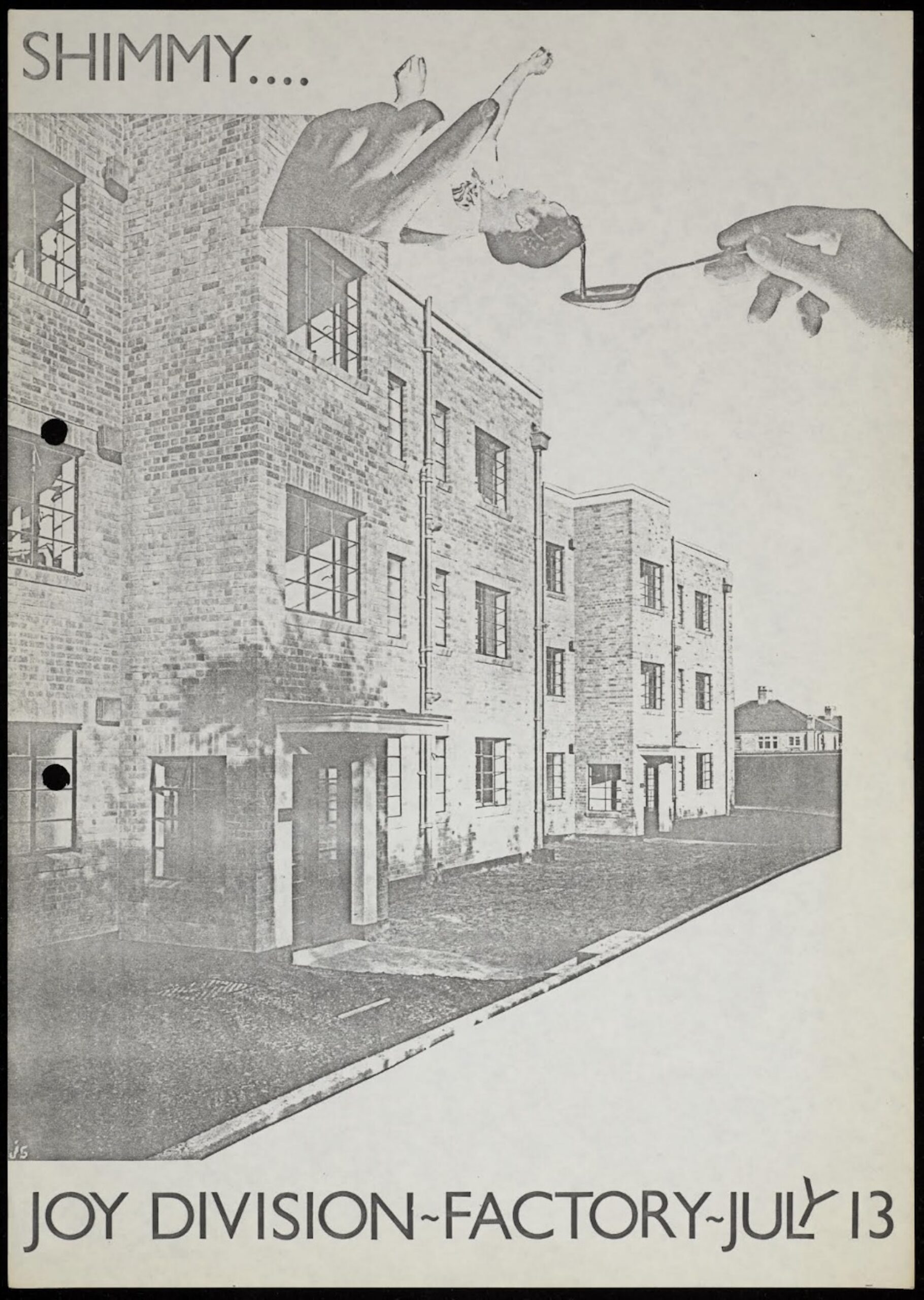
‘Shimmy’ flyer, Jon Savage, 1979. CREDIT: The University of Manchester
There is a reason these pages travel. Curtis died in May 1980; the archive crossing the pond now, 46 years on, is a reminder that his music still reverberates. The exhibition aims to show how his lyrics and presence distilled a moment in Manchester into something more universal: the raw edges of youth, the gravity of private struggle, and a clarity of language that kept drawing people back.
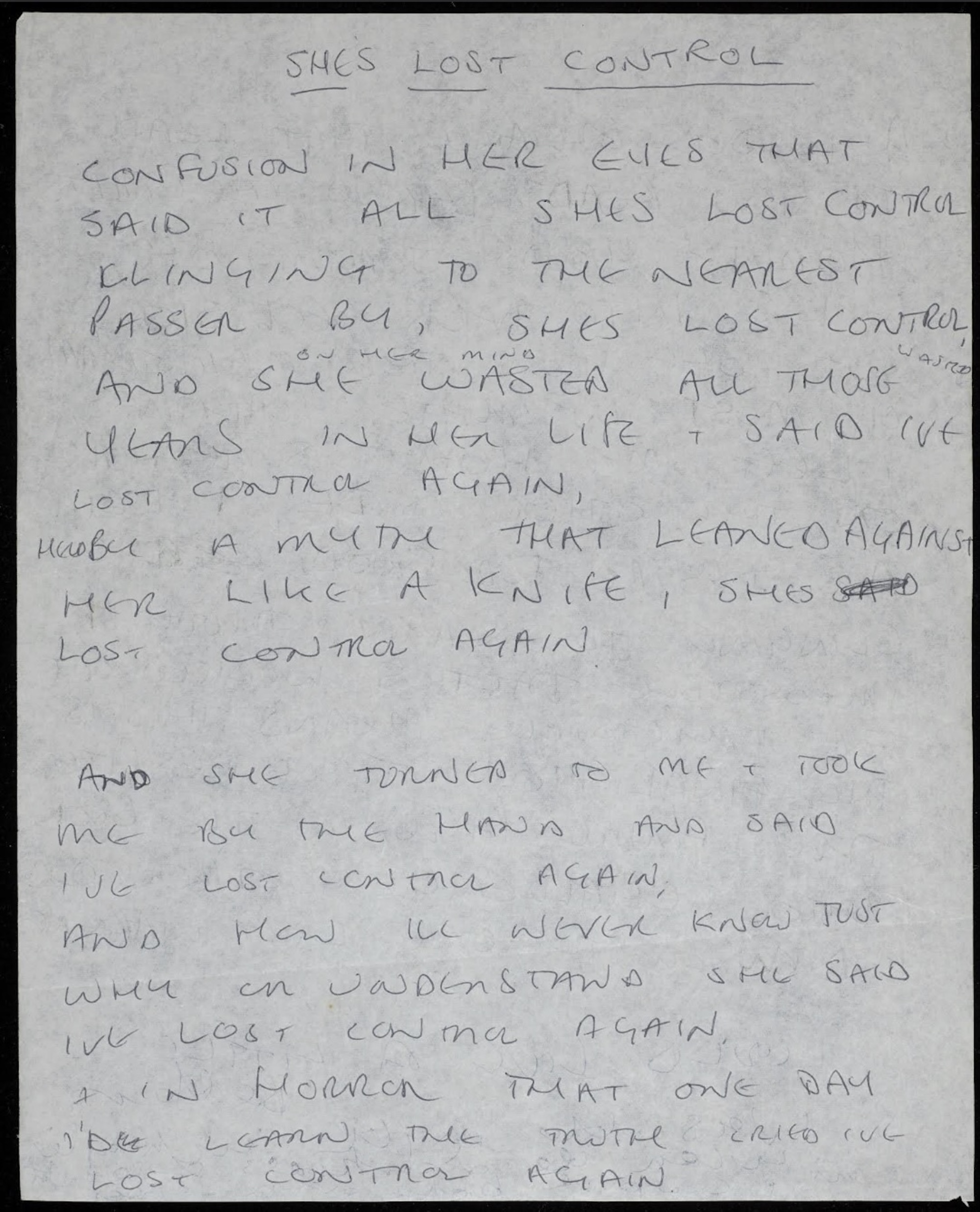
Handwritten lyric to ‘She’s Lost Control’. CREDIT: The University of Manchester
Context is part of the story here. Curtis and his bandmates first formed an early version of the group in Salford in 1976 under the name Warsaw, later changing to Joy Division in early 1978. After Curtis’ death, bandmates Bernard Sumner, Peter Hook and Stephen Morris went on to form New Order, and their subsequent careers and tributes have kept Curtis’ influence prominent in conversations about music and mental health.
Those conversations have extended beyond liner notes. In 2022 Sumner and Morris went to Parliament to talk about mental health and suicide prevention; and last year they launched a Blue Monday shirt with proceeds going to the mental health charity MIND. Career honours keep arriving too: Joy Division and New Order are set to be inducted into the Rock & Roll Hall of Fame as a single act during a ceremony in Los Angeles this November, following nominations in 2023 and 2025. Last month Peter Hook dedicated the honour to Curtis, saying that “without [him], we would be nothing.”
For fans who want to see those pages in person, practical details are available from The University of Manchester’s announcement: Visit here.
There’s always a particular hush when you stand before a lyric sheet written by someone who isn’t here. This exhibition promises that hush — but also offers the flip side: a chance to look closer at the craft and context that made Ian Curtis’ work feel so necessary to so many.