Physical Address
304 North Cardinal St.
Dorchester Center, MA 02124
Physical Address
304 North Cardinal St.
Dorchester Center, MA 02124
The Blessed Madonna publicly rebukes Róisín Murphy after a Westminster speech on censorship, reigniting debate over Murphy’s comments about trans people.
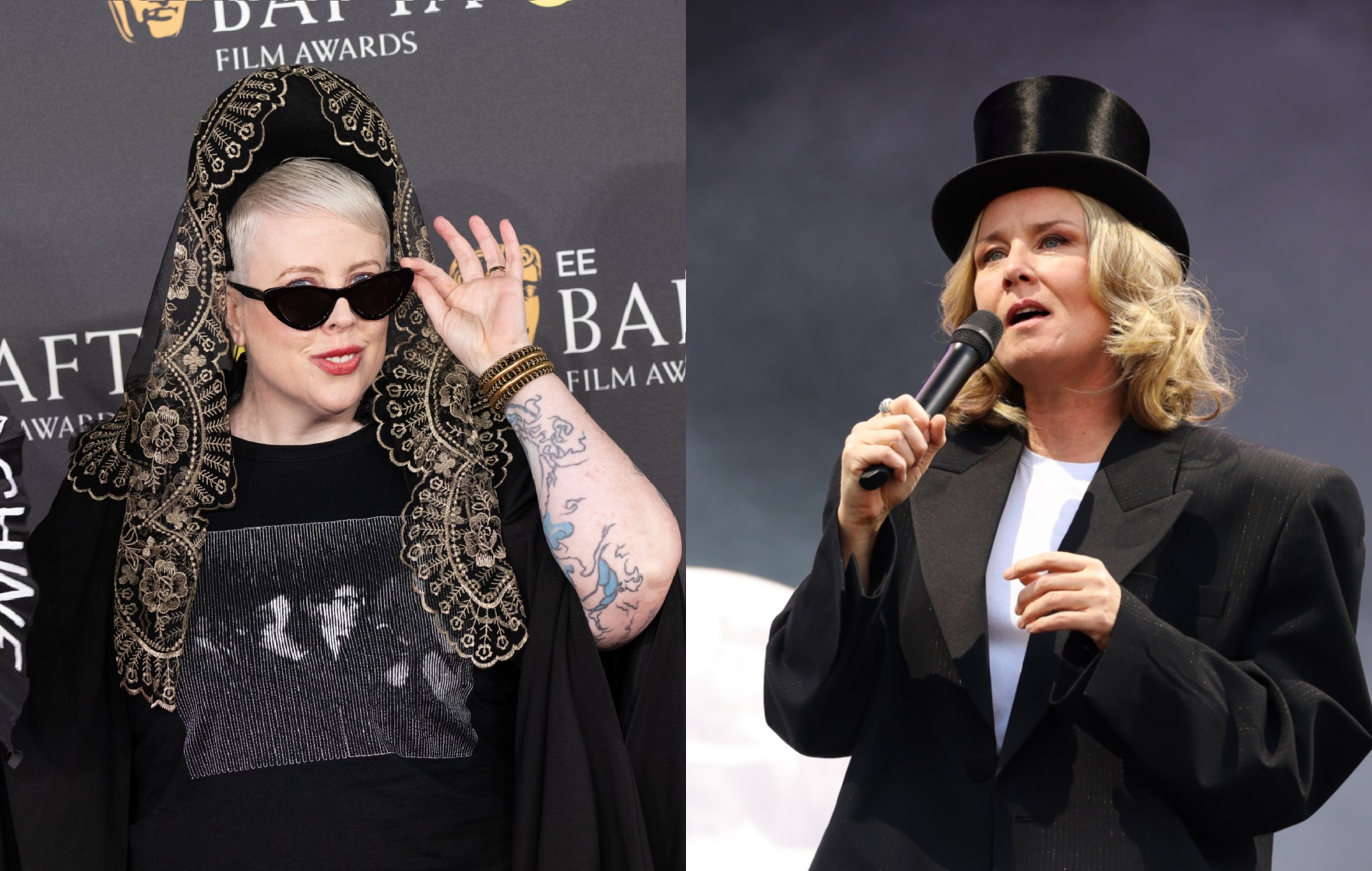
The Blessed Madonna publicly confronted Róisín Murphy this week, accusing the Irish singer of positioning herself as a victim after a speech in front of Parliament about censorship in the arts.
Murphy, who has been at the centre of an ongoing row over comments about transgender people since 2023, told attendees at a launch for the latest Freedom In The Arts report that artists were being put into a “chokehold” by the culture of restriction.
“The creative soul of this country […] has always thrived on discomfort, on the freedom to be wrong, to offend, to pivot and to surprise ourselves,” she said, per The Telegraph. “Without that freedom, we don’t get better art, we simply put artists into a chokehold and suffocate the life out of our culture.
“We need free, equal and open debate. The arts must breathe freely again.”
Murphy added that artists were increasingly forced to self-censor online, worrying that they might “offend the wrong people” or lose funding. She framed the moment as historical oppression and urged solidarity:
“It’s not the first time in history artists have faced oppression and it won’t be the last. We should support each other, come together and defend our shared space, our territory, the place where imagination can roam free. Because if they come for one of us they will eventually… pic.twitter.com/tB6WOXJIxf
— Róisín Murphy (@roisinmurphy) April 29, 2026
For The Blessed Madonna, who identifies as non-binary, the speech was the latest in a string of moments that have kept Murphy in the headlines. In a lengthy Instagram post they fired back directly at Murphy’s framing, asking, “What is wrong with you Roisin? Are you going through it? Are you going through some kind of psychological change in your life?”
The DJ and producer continued, pointing out the oddity of Murphy standing in Westminster Palace — “a literal seat of power, with a literal microphone, being literally platformed” — while presenting herself as silenced by what she called “a conspiracy of the T in LGBT.”
The post closed with a reminder that public pushback can amount to consequences rather than censorship: “A boycott is not simply people who decline to purchase your album and express their rejection of you in your Instagram comments. What you are experiencing is considerably simpler: consequences.”
You can read The Blessed Madonna’s post in its entirety below.
The row has roots in 2023, when Murphy first provoked backlash after a Facebook comment criticising the use of puberty blockers for transgender and gender-diverse youth. She later issued a public apology, writing that she “cannot apologise enough for being the reason for this eruption of damaging and potentially dangerous social-media fire and brimstone.”
Still, Murphy made another contentious post later that year: sharing a chart she said showed a sharp decline in young people identifying as trans or non-binary, captioned, “It was never real. Terribly sad though. Absolute havoc wreaked on children, families and society.” The fallout was immediate — Istanbul’s Back In Town Festival removed her from its line-up last October.
Murphy responded with a long post on X in which she complained that “the mob” was out in force and wrote, “Just for the record, I have zero hate toward trans people; I do not deny anyone’s existence.” She defended the chart, calling the rise in identities a contagion she blamed on media, medical institutions and social media derangement.
Other artists have weighed in against Murphy’s posts as well: CMAT and Lambrini Girls were among those publicly critical of her comments about transgender people.
Whatever the online storm, Murphy has continued to play major stages. In 2024 she supported New Order with Johnny Marr at a huge outdoor Manchester show and headlined All Together Now Festival in Ireland alongside The National and Jorja Smith. That same year she appeared at Primavera Sound with Pulp, Justice, Troye Sivan, PJ Harvey, Bikini Kill, Charli XCX and others.
In 2025 she remained on the festival circuit, performing at events including LIDO, MEO Kalorama, and Electric Castle. For fans who saw her live, these sets have been reminders that controversy and career can coexist — at least for now — and that public arguments around accountability, censorship and consequence continue to shape how artists move through stages and platforms.
Whether Murphy’s argument about artistic freedom persuades her critics is another matter. For The Blessed Madonna and a number of peers, the issue is not platforming or punishment, but the responsibilities that come with a public voice and the concrete impact of words on marginalised communities.
The discourse shows no signs of quieting. Murphy keeps performing; her critics keep speaking out. And for audiences, the conversation happens alongside the shows — in playlists, comment threads and the crowd’s murmur as someone steps up to the mic.