Physical Address
304 North Cardinal St.
Dorchester Center, MA 02124
Physical Address
304 North Cardinal St.
Dorchester Center, MA 02124
Steven Drozd says his exit from The Flaming Lips followed a traumatic family crisis and a return to treatment. He claims Wayne Coyne stopped communicating after January 3, 2025, leaving a 33-year partnership unresolved as the band carries on without him.
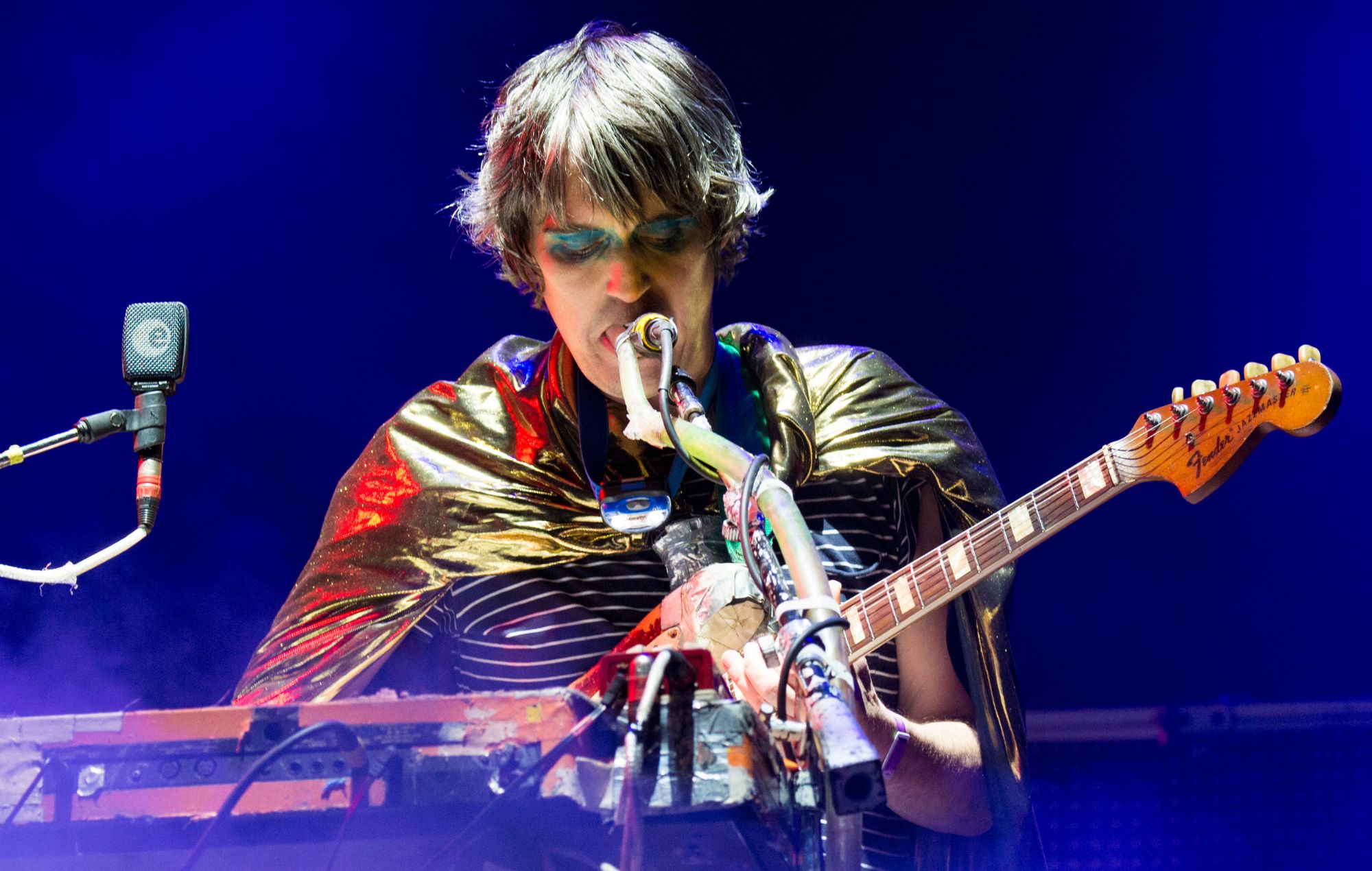
There is a bruised silence around what used to be one of indie rock’s most collaborative long runs. Steven Drozd, the multi-instrumentalist who has shaped The Flaming Lips’ sound for more than three decades, is speaking candidly about how his time in the band collapsed into a private crisis and a public absence.
Fans first noticed something was off last year when Drozd did not appear on tour bills and AJ Slaughter began filling in onstage. The Lips made no formal announcement at the time; the first public crack came in December when Drozd accidentally posted on Threads, “They’re done with me – but we’re not talking about it. Yes I’m moving on.” He deleted the post, calling it a private-message blunder.
Wayne Coyne followed with an Instagram post that framed the split as both painful and infuriating, telling followers the “reason he left is sad and infuriating” and that it was “HIS responsibility to tell everyone what happened.” Coyne accused Drozd of lying about the Threads post and said he had been trying to give him space.
Drozd’s own account has been quieter, but clearer in recent interviews. He told Stereogum that the decision to step away from touring had been building for a while, and that it reached a breaking point when his daughter, Charlotte, went missing in October 2024. Charlotte, then 16, was found safe after a three-day search that Coyne himself publicly supported.
“It’s hard to get back into [touring after that] because it really was traumatic. She was missing for three days. We didn’t know what was going on,” Drozd said.
The trauma pushed him into treatment for alcohol. He relapsed over the holidays and returned to rehab. “I went back to treatment, and then Wayne just stopped communicating with me,” Drozd told Stereogum. “I haven’t heard from him since January 3, 2025. That’s been weird.” He said the band elected to do shows in Australia without him and that, along the way, “no one really told me anything.”
In the interview Drozd tried not to make the split into trash talk. “The way the whole thing ended is just really sad,” he said. “It was upsetting. It upset my family. And people in Oklahoma City are all like, ‘Wow, what’s going on with that?’ I’m like, I don’t really know what to tell you.” His language gets blunt: “It’s poopy, the way it all ended, and there’s nothing I can do to change that.”
For long-time listeners, Drozd’s absence onstage changes the show in ways hard to quantify. He was the band’s utility player—guitar, synths, drums, backing vocals—part orchestral glue and part onstage chaos. When AJ Slaughter stepped in, setlists stayed recognizable but the chemistry people travel for felt altered; crowd chatter during quieter moments was louder, like an audience waiting to see if the original shape of the band would return.
Drozd has framed his departure as acceptance rather than ongoing dispute. “By the summer of last year, I knew. I knew it was over and that was it. I wasn’t gonna be back in the Flaming Lips, and I kinda accepted it,” he said. Yet acceptance and closure are not the same thing. The last contact date—January 3, 2025—hangs there like a timestamp on an open wound.
The Lips’ camp did not immediately respond to Drozd’s comments; Stereogum reports that a representative for Coyne declined to comment. Meanwhile, the band is moving ahead. Drummer Matthew Duckworth Kirksey told listeners late last year that new music was coming and that the group considers the material “the best thing we’ve done in ages.” They are booked for festivals including Latitude alongside Lewis Capaldi and David Byrne.
Drozd is not disappearing. He is working on a solo album, hoping for an autumn release, and in interviews he sounds pragmatic and slightly weary rather than bitter. There is grief, yes — for the relationship that grew across 33 or 34 years of touring and recording — but also a musician trying to find a new way forward after a very public fall.
At its best, The Flaming Lips has always been a communal project, a patchwork of eccentric ideas stitched together by a small family of collaborators. That family has frayed. For fans, the question now is less about setlists and more about repair: can the band, and the people who made it the band it became, survive an ending that no one planned to put on the roster?
Whatever happens next, Drozd’s presence on records and onstage over the last three decades is not erased. The story feels unresolved. And there is, still, a palpable sympathy from the audience in Oklahoma City and beyond—people who grew up on the confetti and the loud, who are trying to square the music with the messy human decisions that follow it.
He may be out of The Flaming Lips’ lineup, but Drozd’s voice is already threading into a different narrative: one about recovery, about making solo work after a lifetime of collaboration, and about how a band continues when a central member stops answering the phone.