Physical Address
304 North Cardinal St.
Dorchester Center, MA 02124
Physical Address
304 North Cardinal St.
Dorchester Center, MA 02124
Mike Marino, the prosthetics artist behind Bad Bunny’s aged Met Gala look, breaks down the 3D scans, silicone work, and live-event pressure that turned one of pop’s biggest stars into a believable elder statesman.
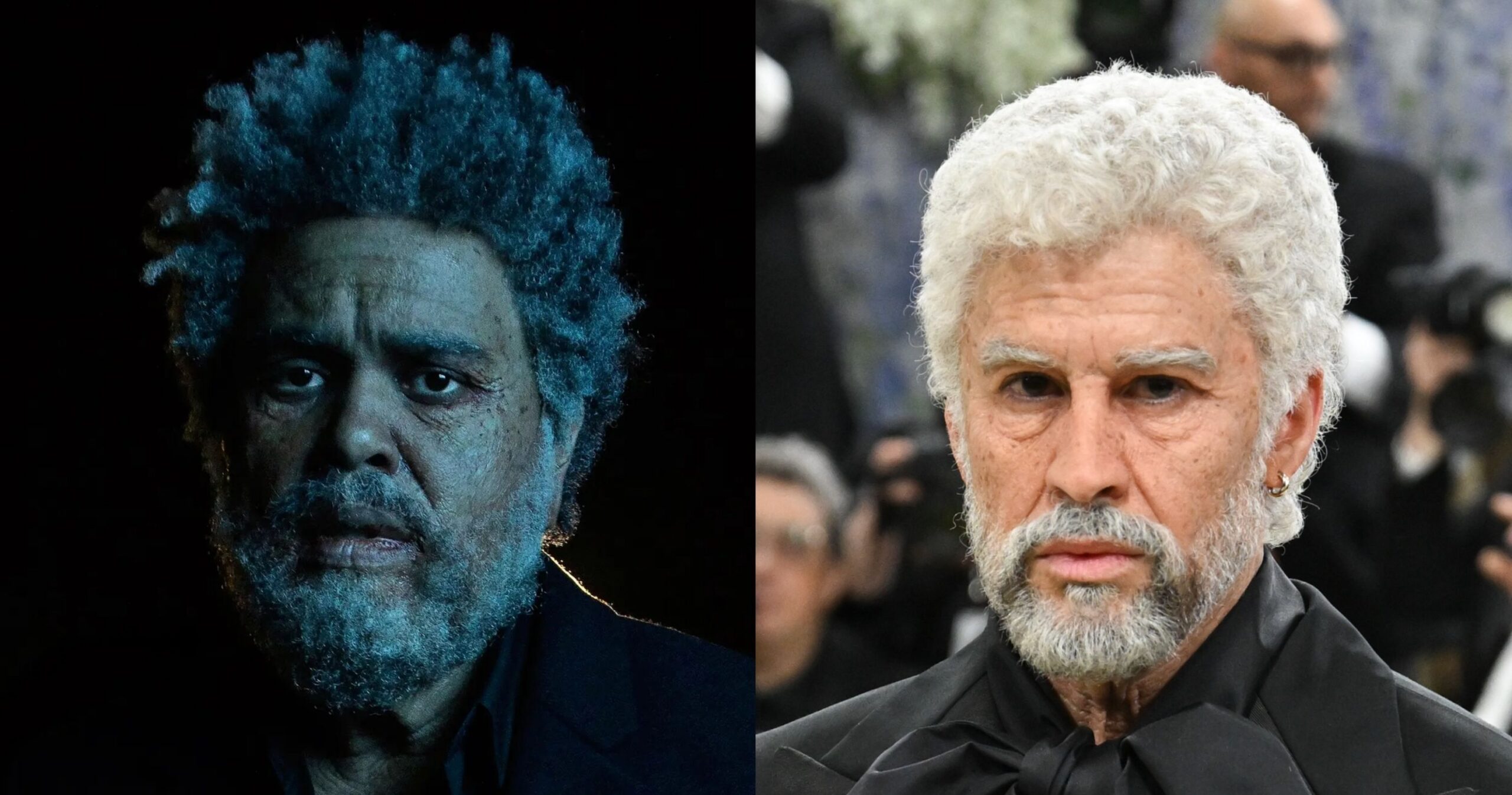
Bad Bunny stepped onto the 2026 Met Gala carpet looking decades older, and not in a gimmicky way. Under the lights, you could see tiny liver spots, soft wrinkles, and thick gray brows that read less costume and more lived-in face. The transformation came from veteran prosthetic makeup artist Mike Marino, a self-taught technician who has spent 30 years reshaping celebrity faces with silicone, paint, and exacting handwork.
Marino says Bad Bunny’s team approached him with a concept already aligned with his style. A few months before the gala, they met in Miami for a full 3D laser scan of the artist’s head and face. Marino then printed the model and sculpted an age-forward design on top of it. “I didn’t make him look too crazy, because he was supposed to look like an older person, not a zombie,” he said, adding that the final goal was still elegance: this was the Met Gala, and the look had to stay handsome.
According to Marino, the creative direction centered on the idea that aging itself can be treated as art. With the gala’s “Fashion Is Art” theme in mind, he drew from museum portraiture and the visual language of older painted subjects, framing Bad Bunny as a distinguished figure brought into the present.
The application process was highly technical and surprisingly fast. After sculpting, Marino’s team molded and cast silicone pieces, then matched them to Bad Bunny’s skin tone from samples taken at the first fitting. Those pieces were pre-tinted internally, then finished with airbrushed details like freckles, burst vessels, and subtle spots. Custom facial hair and wig work followed: mustache, goatee, side beard, full wig, plus blended eyebrow pieces on lace. Total chair time on gala day was roughly three hours.
Marino described the environment as controlled chaos. “A surgeon wants quiet and peace and perfect temperature. I’m walking into a party zone and doing surgery in front of 30 people,” he said.
That pressure was doubled by his schedule. He was also handling Heidi Klum’s Met Gala transformation the same day, with a combined crew of about 40 across both projects. He credited key collaborators including hairpiece specialist Diana Choi, hairstylist Carla Farmer, and makeup assistant Kevin Kirkpatrick. “I couldn’t do it without them. Well, I could, but it would probably take 10 hours,” he joked.
Even with deep experience, live events remain the harder format. Marino has worked on more than 100 films and collaborated repeatedly with the Weeknd, including the Dawn FM elderly prosthetics, the bruised 2020 VMA character, and the plastic-surgery satire in “Save Your Tears.” On sets, he can request camera stops and touch-ups. At the Met, once the artist exits the room, the work has to survive real time.
His metaphor for that risk is apt: temporary makeup is “like sidewalk art.” You build something intricate in public and hope the weather holds.
Marino still talks like a fan of transformation first. His earliest inspirations were childhood encounters with The Elephant Man and Michael Jackson’s “Thriller,” and his wishlist remains wide open. If time travel were possible, he said, he’d take on Frank Sinatra, Elvis, or Jim Morrison. Then he laughed and pitched a scene only a prosthetics obsessive would think of: zombie Elvis on a toilet, peanut butter and marshmallow sandwich in hand.